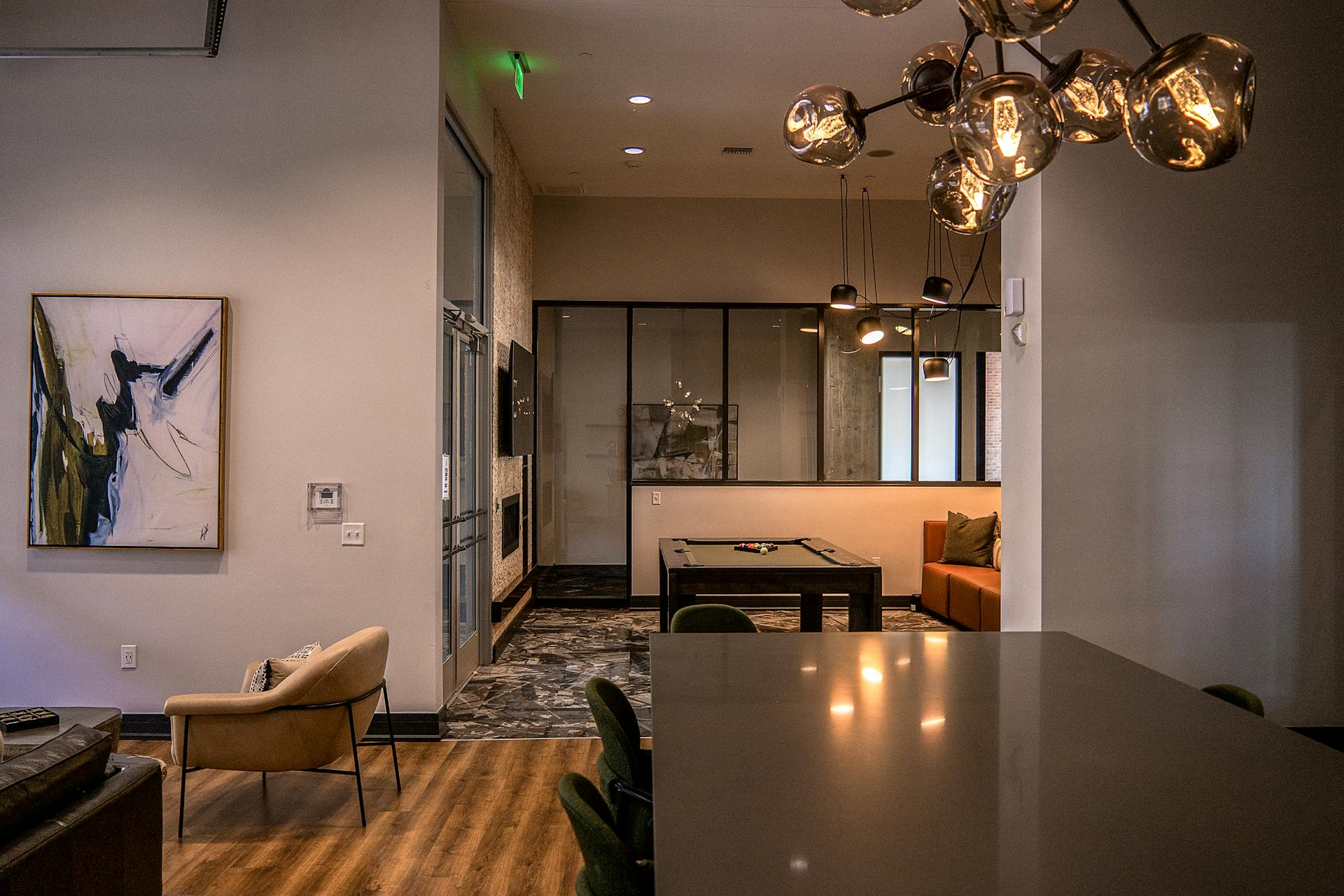
When we talk about interior design, we often focus on colors, shapes, and layouts. Yet beneath all the visual harmony lies something even more powerful — material.
Wood, stone, metal, glass, fabric — they are not just the skin of a room. They are its heartbeat. The choice of material defines not only how a space looks, but how it feels. It shapes the emotional temperature of a home — its warmth, coolness, tranquility, or energy.
But choosing the right materials is not a matter of fashion. It’s a matter of soul. The perfect material is not simply the one that looks beautiful; it’s the one that belongs. It must fit the space’s spirit, reflect the lifestyle of its inhabitants, and resonate with the chosen design philosophy.
In this in-depth guide, we’ll explore how to select interior materials that harmonize with specific design styles — from Scandinavian minimalism to industrial grit, from rustic warmth to modern sophistication. We will dive not just into aesthetics, but into emotion, meaning, and craftsmanship.
Because a well-designed home is not just seen — it is felt.
1. Understanding the Language of Materials
Before matching materials to design styles, we must first learn their language. Every material speaks — softly or boldly — and its voice must align with the story your space tells.
-
Wood speaks of warmth, grounding, and authenticity. Its grain records the passage of time, making it deeply human.
-
Stone embodies permanence and strength. It brings a sense of the earth’s endurance into your living space.
-
Metal reflects modernity, precision, and resilience — a bridge between the organic and the industrial.
-
Glass offers lightness and connection. It dissolves barriers and invites illumination.
-
Fabric and leather soften a space, embracing comfort and intimacy.
-
Concrete and terrazzo express raw honesty — an embrace of imperfection and texture.
Learning to “listen” to materials means paying attention not only to what pleases the eye but to what stirs the heart.
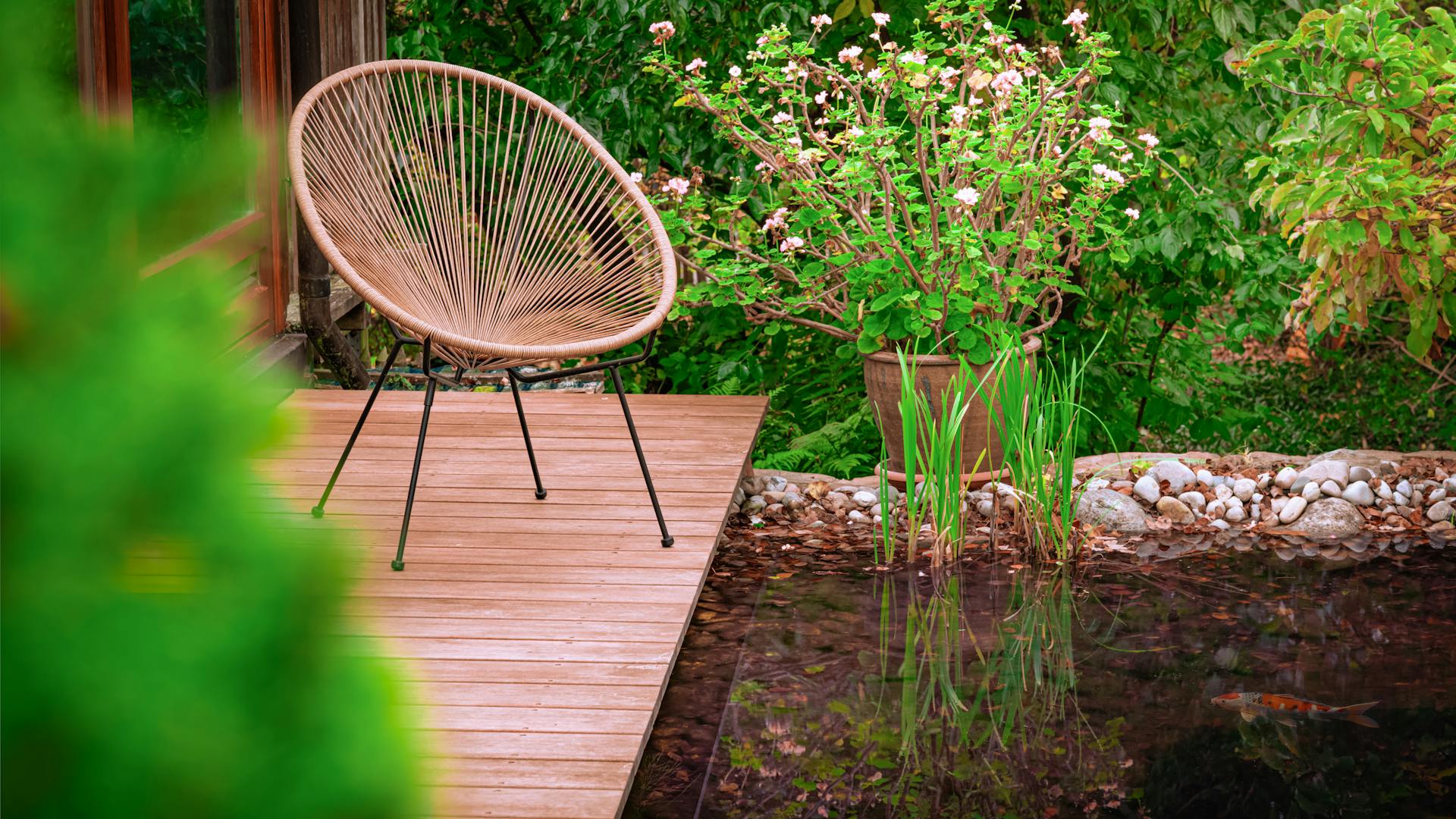
2. Scandinavian Style: Harmony through Nature
The Scandinavian design philosophy is rooted in the Nordic landscape — forests, fjords, snow, and soft light. It celebrates simplicity and calm, a refuge from the harshness of the outside world.
Key Materials:
-
Light-toned woods such as birch, ash, and pine
-
Wool, linen, and cotton textiles
-
Stone or ceramic accents
-
Matte finishes
Guiding Principle: Less, but better.
When choosing materials for a Scandinavian home, always favor the authentic and tactile. You should be able to feel the grain of the wood beneath your fingertips, the softness of linen on your skin. Avoid gloss and artificiality — shine feels cold and distant in this aesthetic.
A Scandinavian space thrives on light diffusion. Pale wood floors bounce sunlight gently around the room. Natural fabrics breathe easily, echoing the region’s closeness to nature. Every surface whispers calmness.
Emotional Effect: Serenity, clarity, and comfort.
3. Industrial Style: The Beauty of Raw Honesty
Industrial design emerged from abandoned factories and warehouses — spaces of work, grit, and innovation. Its beauty lies in the unapologetic exposure of materials. Nothing is hidden; everything is real.
Key Materials:
-
Concrete, exposed brick, and steel
-
Reclaimed wood
-
Leather and aged metal finishes
-
Glass with black metal frames
Guiding Principle: Function is beauty.
When selecting materials for an industrial space, embrace imperfection. A rusted metal beam, a cracked concrete wall, or a worn leather chair is not a flaw — it’s a story. Every mark carries history.
Balance the hardness of these materials with soft textiles — a wool rug, a cotton throw — to make the space habitable without taming its rawness.
Emotional Effect: Strength, authenticity, and rebellion.
4. Modern Minimalism: The Purity of Form
Minimalism is not emptiness. It is the careful removal of excess until only essence remains. Materials in a minimalist space must carry quiet dignity — nothing unnecessary, nothing loud.
Key Materials:
-
High-quality natural stone (marble, travertine, or basalt)
-
Fine-grain wood in neutral tones
-
Polished concrete
-
Glass and subtle metals like brushed aluminum
Guiding Principle: Silence has its own texture.
Choose materials that speak through restraint. A single, flawless slab of marble can be more expressive than a room full of patterns. Surfaces should be pure and consistent, without visual clutter.
But true minimalism is not cold. It’s about finding peace through clarity. Use warm undertones in wood or stone to keep the space human, not sterile.
Emotional Effect: Tranquility, discipline, and mindfulness.
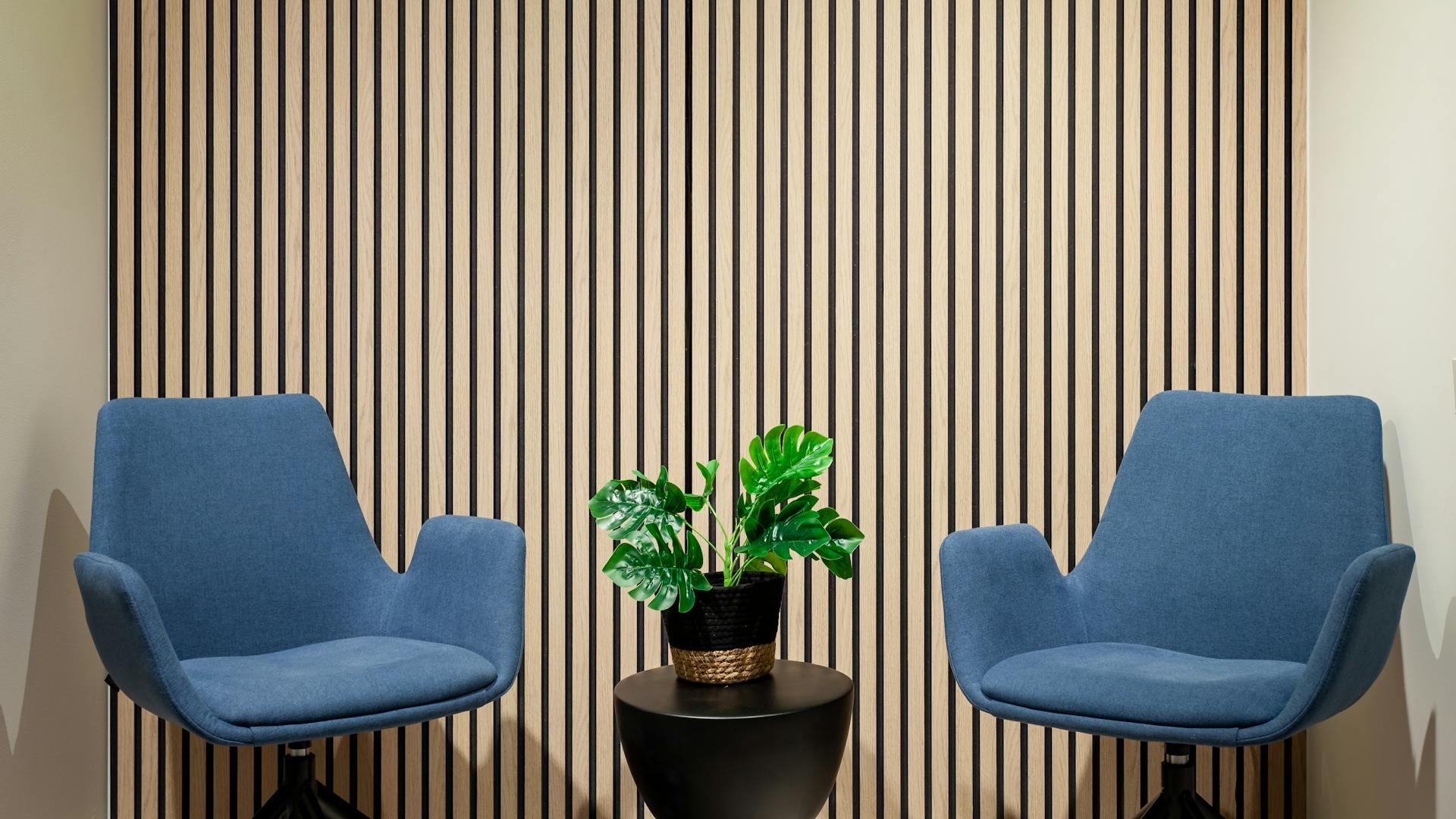
5. Rustic and Farmhouse Style: The Soul of Simplicity
Rustic design is nostalgia made tangible. It celebrates imperfection, craftsmanship, and a life close to the earth.
Key Materials:
-
Reclaimed wood, rough stone, and handmade ceramics
-
Iron or bronze hardware
-
Natural fabrics: cotton, burlap, linen
-
Worn finishes and visible joints
Guiding Principle: Every scar tells a story.
Here, materials are not chosen for perfection but for character. A weathered wooden beam, a chipped terracotta pot, or a handwoven rug gives the space warmth and authenticity.
Rustic interiors embrace the tactile — the feel of raw timber, the unevenness of handmade clay tiles. The design breathes history and humility.
Emotional Effect: Warmth, nostalgia, and belonging.
6. Mid-Century Modern: Timeless Craft and Function
Mid-century modern design balances simplicity with warmth. It celebrates craftsmanship and innovative use of materials.
Key Materials:
-
Teak, walnut, and oak woods
-
Polished metals like brass and chrome
-
Glass, leather, and molded plastics
-
Wool and velvet upholstery
Guiding Principle: Elegance through functionality.
The harmony between organic and synthetic materials defines this style. Smooth wooden furniture contrasts with sleek metal legs, while leather and fabric add comfort.
Choose materials that reflect both the optimism and precision of the mid-20th century — bold but balanced, modern yet approachable.
Emotional Effect: Confidence, comfort, and optimism.
7. Contemporary Style: The Evolution of Now
Contemporary design constantly evolves — it is the mirror of our times. It values sustainability, innovation, and the seamless integration of technology and craft.
Key Materials:
-
Sustainable woods (bamboo, engineered timber)
-
Composite materials and recycled surfaces
-
Matte metals and glass
-
Neutral textiles with refined textures
Guiding Principle: Future meets mindfulness.
When designing a contemporary space, focus on eco-friendly materials and clean lines. Think tactile rather than decorative — a matte concrete wall, a soft wool sofa, a glass divider that blurs inside and outside.
It’s about balancing minimalism with warmth, innovation with comfort.
Emotional Effect: Freshness, fluidity, and sophistication.
8. Classical and Neoclassical: The Elegance of Permanence
Classical interiors draw inspiration from history — symmetry, grandeur, and timeless beauty. The materials must echo that legacy.
Key Materials:
-
Marble, granite, and ornate wood
-
Gold or bronze accents
-
Silk, velvet, and brocade fabrics
-
Handcrafted moldings and inlays
Guiding Principle: Luxury is in the details.
Choose materials with richness and depth. Marble floors, carved wooden panels, and heavy draperies create a sense of permanence and refinement. Every texture should speak of care and artistry.
However, to keep the look modern, balance opulence with restraint — let quality, not quantity, convey the message.
Emotional Effect: Majesty, grace, and reverence.
9. Bohemian Style: The Poetry of Freedom
Bohemian interiors are an explosion of creativity. They thrive on layers, diversity, and the personal stories of their owners.
Key Materials:
-
Woven textiles, rattan, and bamboo
-
Embroidered fabrics and macramé
-
Terracotta, handmade pottery, and recycled wood
-
Brass, copper, and colorful glass
Guiding Principle: Nothing matches — yet everything belongs.
Materials in a Bohemian home are chosen from emotion, not rules. The charm lies in the mix — the conversation between cultures and eras. Handmade, imperfect items carry the most soul.
Emotional Effect: Freedom, individuality, and joy.
10. Japandi Style: East Meets North
Japandi — the blend of Japanese and Scandinavian design — honors simplicity, craftsmanship, and the beauty of imperfection (wabi-sabi).
Key Materials:
-
Light or medium wood (oak, ash)
-
Tatami, bamboo, or rattan
-
Stone and handmade ceramics
-
Linen, cotton, and paper textures
Guiding Principle: Calm through balance.
In Japandi interiors, materials must feel alive yet serene. The focus is on tactile beauty — the grain of wood, the touch of linen, the coolness of stone.
Every object has purpose and presence. The combination of Nordic minimalism and Japanese restraint creates an atmosphere of quiet strength.
Emotional Effect: Harmony, mindfulness, and authenticity.
11. Coastal and Mediterranean: Light, Air, and Earth
These styles reflect a life close to the sea — bright, relaxed, and full of natural energy.
Key Materials:
-
Whitewashed wood and terracotta
-
Limestone, travertine, and mosaic tiles
-
Linen, cotton, and rattan
-
Blue-green glass and brass accents
Guiding Principle: Breathe the ocean inside.
Choose materials that reflect light and invite air. Rough stone walls, cool tile floors, and breezy fabrics create the sensation of endless summer.
A coastal home should feel effortless — as if shaped by wind and sunlight rather than human will.
Emotional Effect: Freshness, openness, and joy of life.
12. Sustainable and Eco-Conscious Design: The Future of Material Choice
No matter the aesthetic, the future of design is ethical. The beauty of a space now depends not only on how it looks, but on how gently it touches the earth.
Key Principles for Sustainable Material Selection:
-
Prioritize renewable sources (bamboo, cork, fast-growing woods)
-
Choose recycled or upcycled materials
-
Avoid toxic finishes and synthetic coatings
-
Support local artisans and small-scale production
The emotional power of a sustainable home lies in integrity. When you live surrounded by honest, earth-conscious materials, there is a quiet satisfaction — the peace of knowing your space respects the world that gave it form.
Emotional Effect: Purpose, awareness, and quiet pride.
Conclusion: The Soul Beneath the Surface
Choosing materials is not merely a technical step in interior design. It is an act of storytelling.
Each piece of wood, stone, or fabric you choose will witness your life — your laughter, your solitude, your everyday rituals. Over time, these materials age and change, just like the people who live among them.
So choose with care. Choose with heart.
The right material does not shout. It listens. It does not decorate. It defines.
A home built with thoughtful materials becomes more than shelter — it becomes a living poem written by the hands that crafted it and the souls who dwell within.