In a world where cities grow taller and homes grow smaller, the art of interior design has evolved into something far more profound than aesthetics — it’s about reclaiming freedom within limitations. Designing for small spaces is no longer about compromise; it’s about creativity, empathy, and understanding how humans interact with the rooms that shape their lives. Every inch becomes precious, every color becomes emotional, and every decision carries weight.
This article isn’t a list of “hacks” or “quick tricks.” It’s a deep dive — a meditation on how design can turn a tiny apartment into a sanctuary of clarity and beauty. Because the truth is: a small space doesn’t mean a small life.
1. The Philosophy of Small-Space Living
Before discussing furniture or color palettes, let’s talk about philosophy. Living in a small space requires a mental shift — from owning more to experiencing more deeply. The question isn’t “How do I fit everything I want?” but “What do I truly need to live beautifully?”
When you start designing a compact home, you are designing a mindset. It’s about intentionality. It’s about the kind of peace that comes when every object has meaning and every corner has purpose.
Minimalism often gets mistaken for emptiness, but true minimalism in interior design isn’t about having less — it’s about making room for what matters.
So, when approaching small-space design, begin not with furniture catalogs, but with reflection. What calms you? What inspires you? What feels like “home” to you, no matter the size? Design, at its best, is emotional architecture.
2. The Power of Light and Color
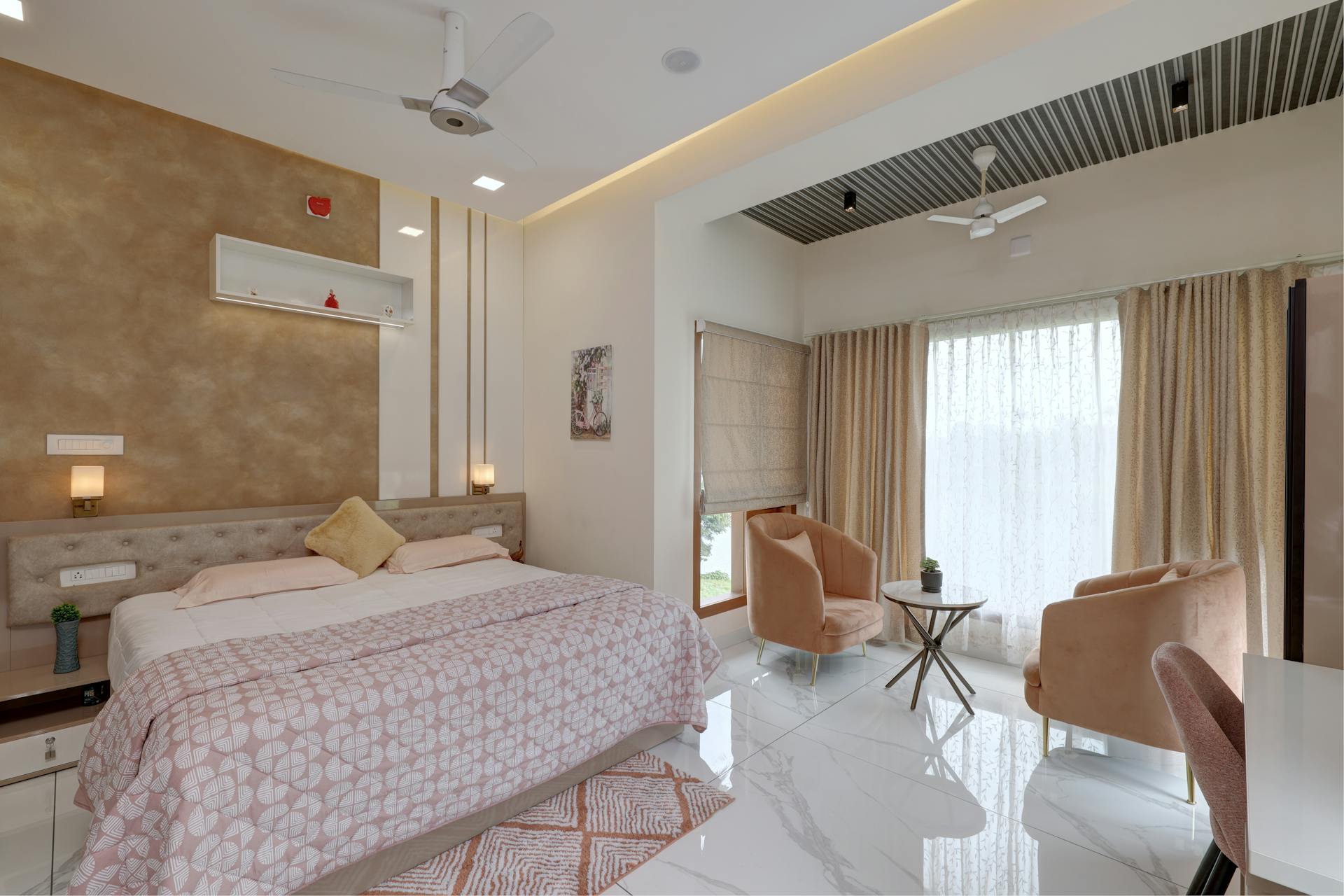
Light is space’s most transformative element. In a small home, it’s not decoration — it’s salvation. Natural light expands perception, blurring boundaries between walls and air. Large windows, sheer curtains, and reflective surfaces can make a 20-square-meter studio feel open and breathable.
If you’re short on natural light, create the illusion of it. Use layered lighting: ambient for overall brightness, task lighting for focus, and accent lighting to create dimension. Avoid a single harsh ceiling light — it flattens the room. Instead, let soft pools of light sculpt it.
Color, too, plays a psychological role. Pale tones — whites, beiges, gentle grays, and soft pastels — reflect light and make a room feel more spacious. But don’t fear contrast. A deep navy wall behind a light sofa can add depth, while a pop of mustard or forest green can inject personality.
Think of color not as decoration, but as atmosphere. The hues you choose will dictate how your space feels in the morning, in the evening, and in the quiet moments when you return home exhausted but seeking peace.
3. Furniture: Function in Disguise
In small-space design, furniture isn’t just furniture — it’s a performance of versatility.
Multifunctional pieces are your strongest allies. A sofa that becomes a bed, a coffee table that lifts into a dining table, or a storage ottoman that hides away blankets — each piece earns its place. Wall-mounted desks that fold flat can turn a corner into a workspace by day and a meditation nook by night.
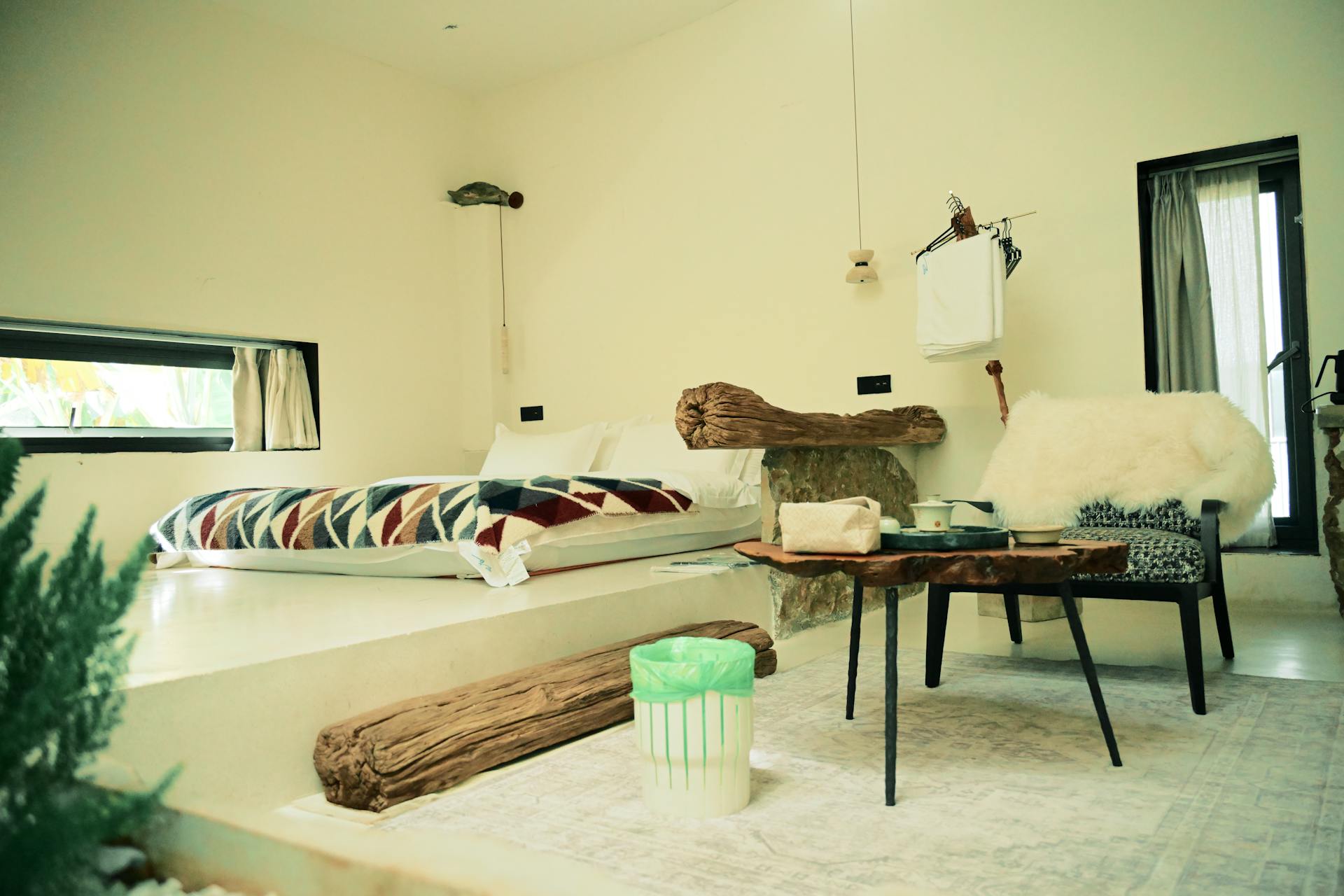
Built-in furniture is another art form. A platform bed with drawers underneath, a window seat that doubles as storage, or shelves carved into recesses can reclaim what would otherwise be dead space.
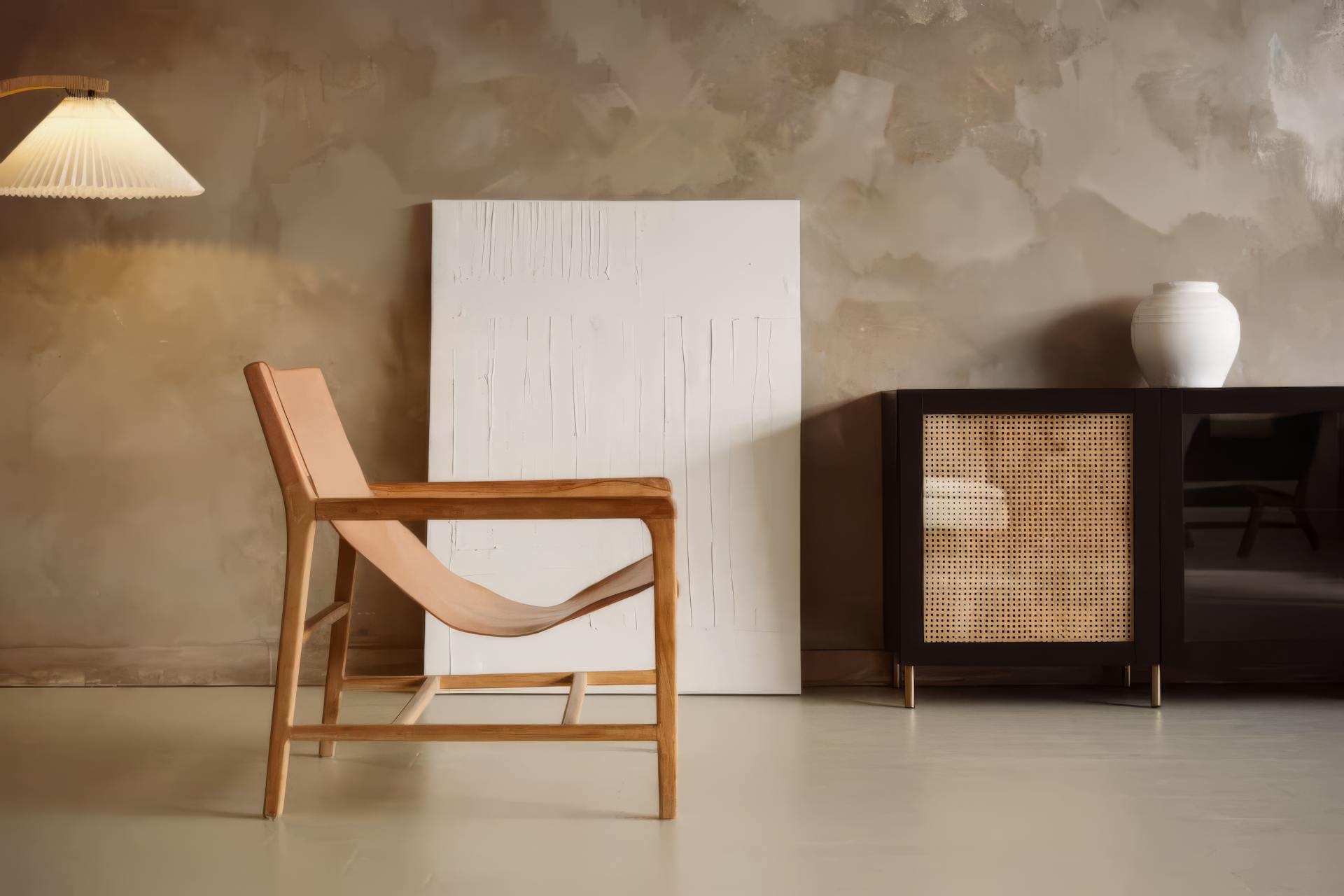
But beyond practicality, there’s poetry in how furniture interacts with a room. Opt for pieces with slender legs and light frames to create a sense of airiness. Choose glass or acrylic when possible; transparency tricks the eye into perceiving more space.
The goal is not to fill the room but to let it breathe — to compose furniture like notes in a song, where silence (empty space) matters just as much as sound.
4. Vertical Thinking: The Forgotten Dimension
When square meters are limited, think cubic meters. The secret weapon of small-space design is height. Walls are not barriers; they are opportunities.
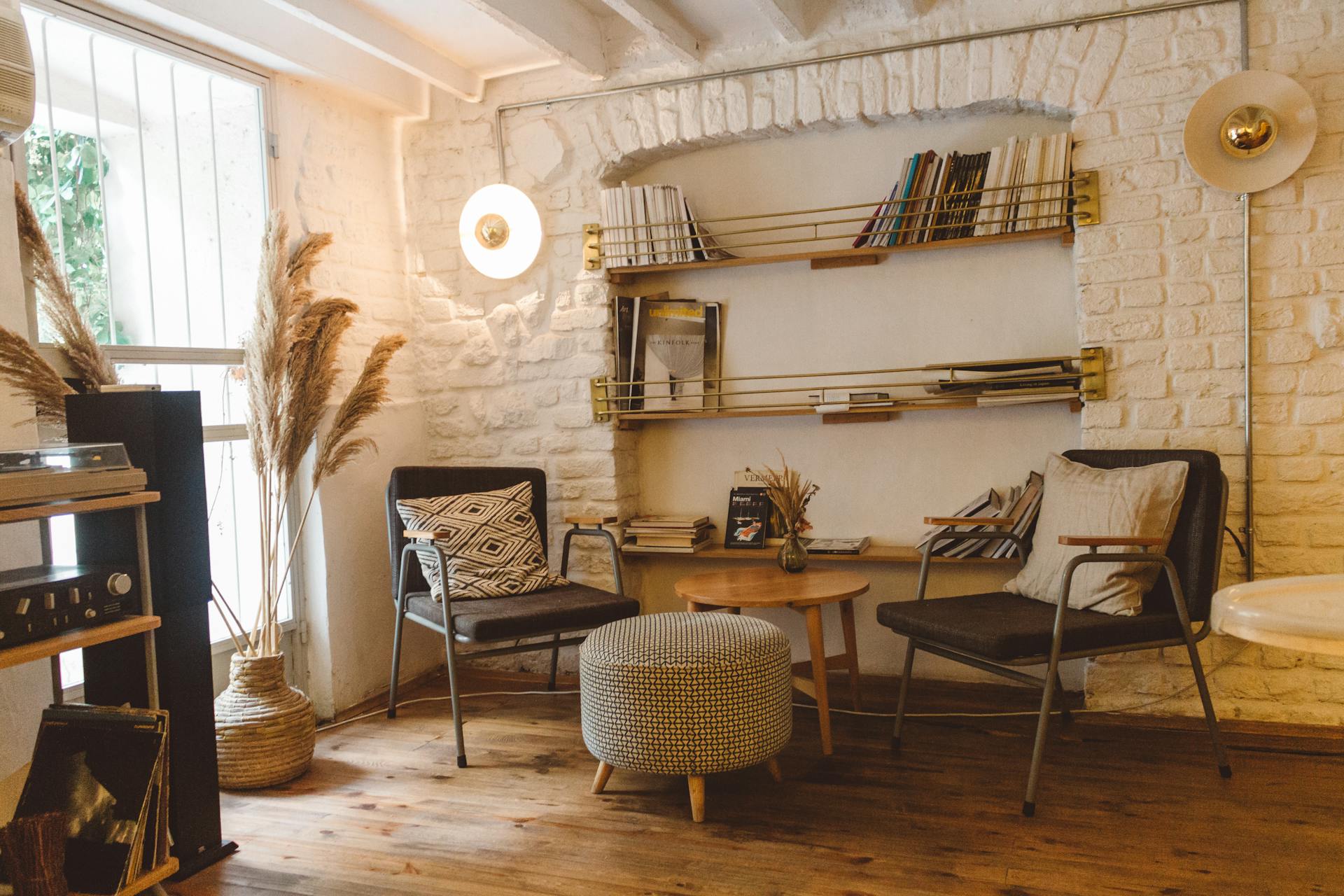
Install floating shelves near the ceiling to store books or seasonal items. Hang plants or pendant lamps to draw the eyes upward. Use tall, narrow storage units that reach from floor to ceiling to elongate the perception of the room.
In a small kitchen, magnetic knife racks, wall-mounted spice shelves, and hanging pot rails free up valuable counter space. In a bedroom, a tall headboard with built-in compartments or a ladder-style shelving unit can add both storage and style.
By reclaiming verticality, you remind yourself that space isn’t only measured by where you walk — but by where your eyes can wander.
5. The Dance of Transparency and Reflection
Mirrors are perhaps the most poetic illusionists in interior design. A strategically placed mirror can double the sense of space, reflect natural light, and soften the mood of a room.
Try positioning a large mirror opposite a window — it will reflect daylight and create the feeling of a second opening. Even mirrored furniture, like a console table or wardrobe, can subtly enhance spaciousness without overwhelming the design.
Glass partitions can also work wonders. In studio apartments, a glass wall can separate a sleeping area from a living space while maintaining openness. Frosted or ribbed glass preserves privacy without sacrificing luminosity.
Transparency, in essence, allows energy to flow. It’s the opposite of clutter — it’s design as liberation.
6. Decluttering as Emotional Architecture
Small spaces reveal the truth about clutter: it’s not just physical — it’s emotional.
Every unnecessary object occupies not just space, but attention.
To design a small home, you must first design your relationship with belongings. Decluttering isn’t about throwing things away; it’s about keeping only what connects you to meaning. When you curate your possessions, your home becomes a reflection of your values, not your impulses.
Think of Marie Kondo’s philosophy — “Does it spark joy?” — but go deeper. Ask: Does it tell my story? Does it serve my peace?
Once you remove what doesn’t belong, you’ll discover something miraculous — the space breathes. You breathe. And in that emptiness, creativity blooms.
7. The Art of Flow: Layout and Movement
A well-designed small space feels fluid. The layout should guide movement naturally, like water flowing through stone.
Avoid blocking walkways with bulky furniture. Keep the visual lines open — for instance, use a leggy console instead of a solid cabinet, or mount your TV instead of placing it on a stand.
Each piece should invite motion, not obstruct it.
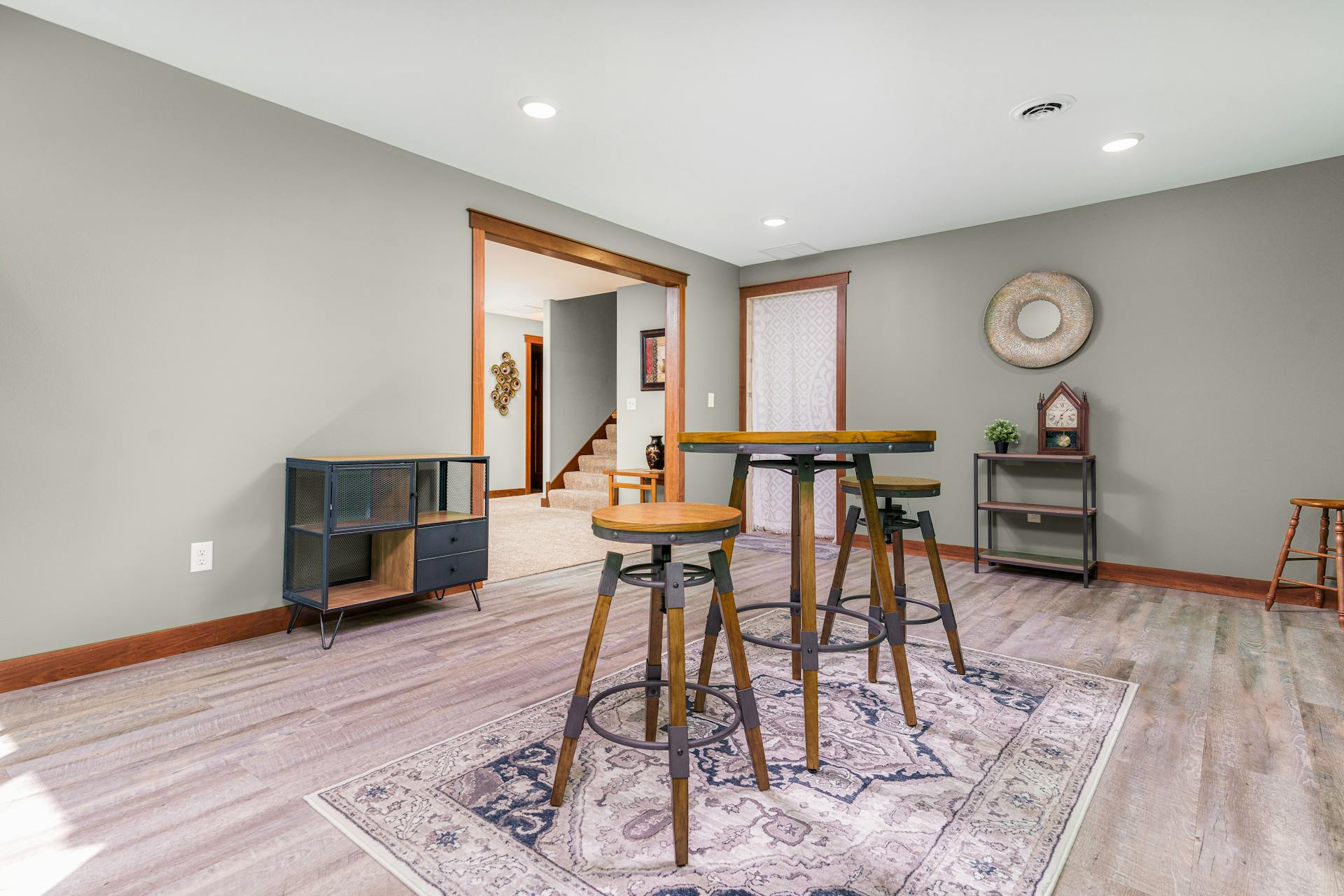
In studio apartments, zoning can be achieved subtly through texture and light rather than walls. A rug can define a “living area,” pendant lights can distinguish a dining nook, and a change in material (wood to tile) can hint at transition.
The goal is to create distinction without division — a dance between unity and individuality.
8. Personal Touch: The Soul of Small Spaces
A small home is intimate by nature, and that intimacy deserves soul.
Don’t let functionality erase your personality. Display a few beloved books, a photo that makes you smile every morning, or a piece of art that grounds you.
The secret is curation over accumulation. Let each decorative element carry emotional weight — something that tells your story.
A handmade ceramic bowl, a single branch in a clear vase, a framed note — these details whisper authenticity.
In small spaces, even one beautiful object can have the emotional resonance of a cathedral.
9. Sustainable and Conscious Design
Designing small often aligns naturally with sustainability — using less, wasting less, valuing more.
Choose furniture made from reclaimed wood, recycled metal, or sustainable materials like bamboo. Opt for LED lighting, energy-efficient appliances, and fabrics dyed with natural pigments.
Beyond materials, sustainability is also about longevity. Buy pieces that age well, both in quality and design. A timeless chair is more sustainable than one that follows fleeting trends.
Small-space living teaches a profound truth: sustainability begins with restraint.
10. Emotional Well-being Through Design
The ultimate goal of small-space design isn’t to impress visitors — it’s to nourish you.
A well-designed space reduces mental noise. It restores calm, clarity, and presence.
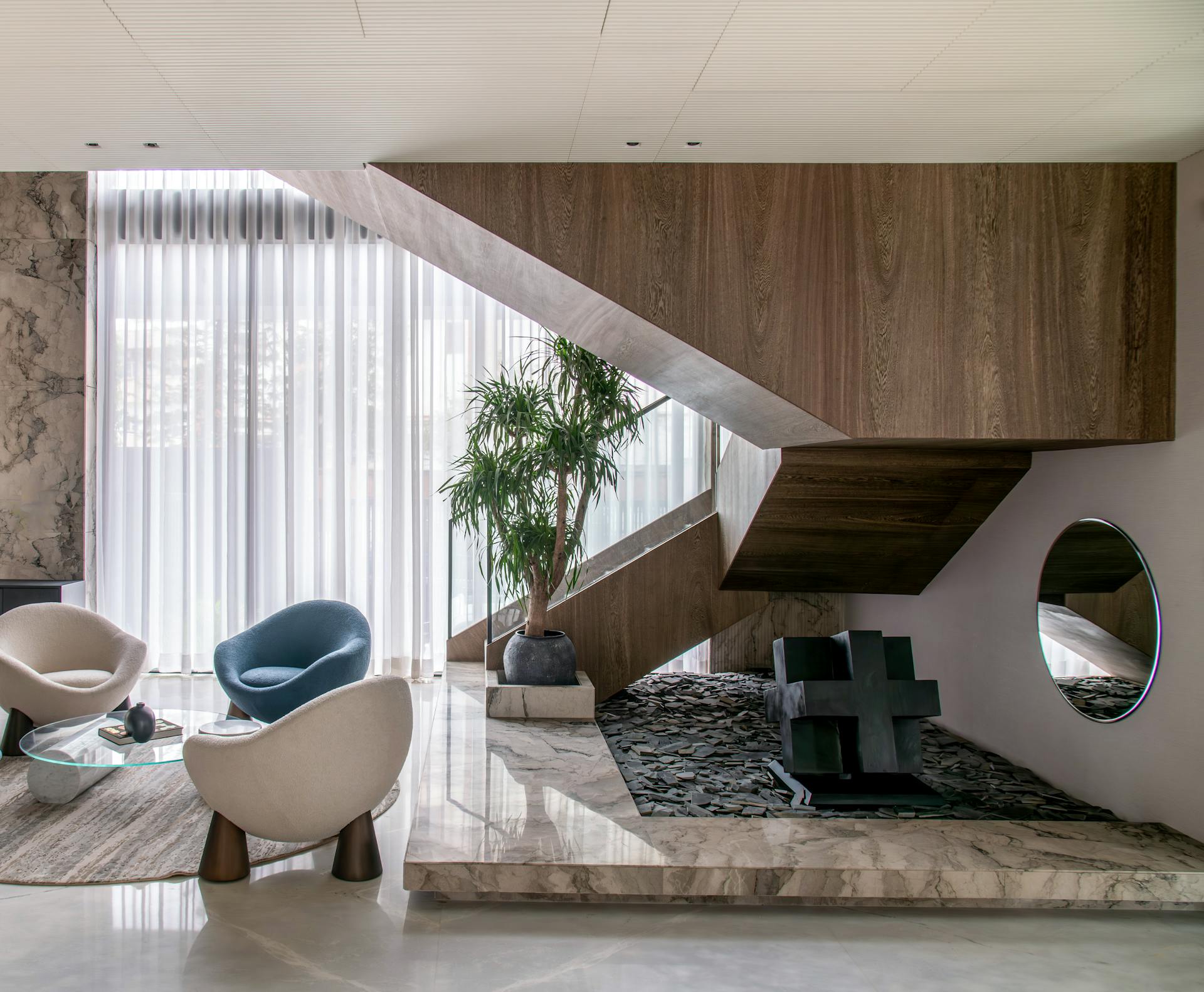
Introduce elements that comfort the senses: soft textiles, warm wood tones, the subtle scent of plants or candles. Incorporate biophilic design — even a single potted plant can connect you subconsciously to nature, improving mood and air quality alike.
Let your home become a sanctuary, not despite its size, but because of it.
Small spaces invite you to live closer to yourself — to be mindful, to cherish, to feel.
11. Technology and Hidden Innovation
Smart design today merges seamlessly with smart technology.
Foldable smart desks, modular storage systems with built-in chargers, or lighting that adjusts to your circadian rhythm — these are not luxuries anymore, but extensions of intelligent living.
Hidden wiring, wireless audio, and multi-purpose appliances (like washer-dryer combos or induction cooktops that cool instantly) preserve both function and visual calm.
The essence of modern small-space design is invisible intelligence — solutions that work quietly behind the scenes so that what you see, touch, and feel remains serene.
12. The Poetry of Space
Ultimately, a small home is a mirror of life itself — limited, imperfect, yet full of possibility.
Design, when done with sensitivity, becomes an act of love — for yourself, for the people who share your space, and for the time you spend within those walls. Every choice — from the way sunlight hits your desk in the morning to the quiet glow of a lamp at night — is part of your story.
A large house might impress, but a small one can move you. Because in a small space, everything matters.
Conclusion: Living Big in Small Spaces
Smart interior design for small spaces isn’t about squeezing your life into a box — it’s about unfolding it intelligently. It’s a practice in mindfulness, empathy, and artistry. It asks you to engage deeply with your surroundings and find beauty in limits.
When done well, every surface speaks, every object belongs, and every breath feels freer.
In the end, a small space is not a constraint but a canvas — and your life, in all its quiet complexity, is the masterpiece painted upon it.