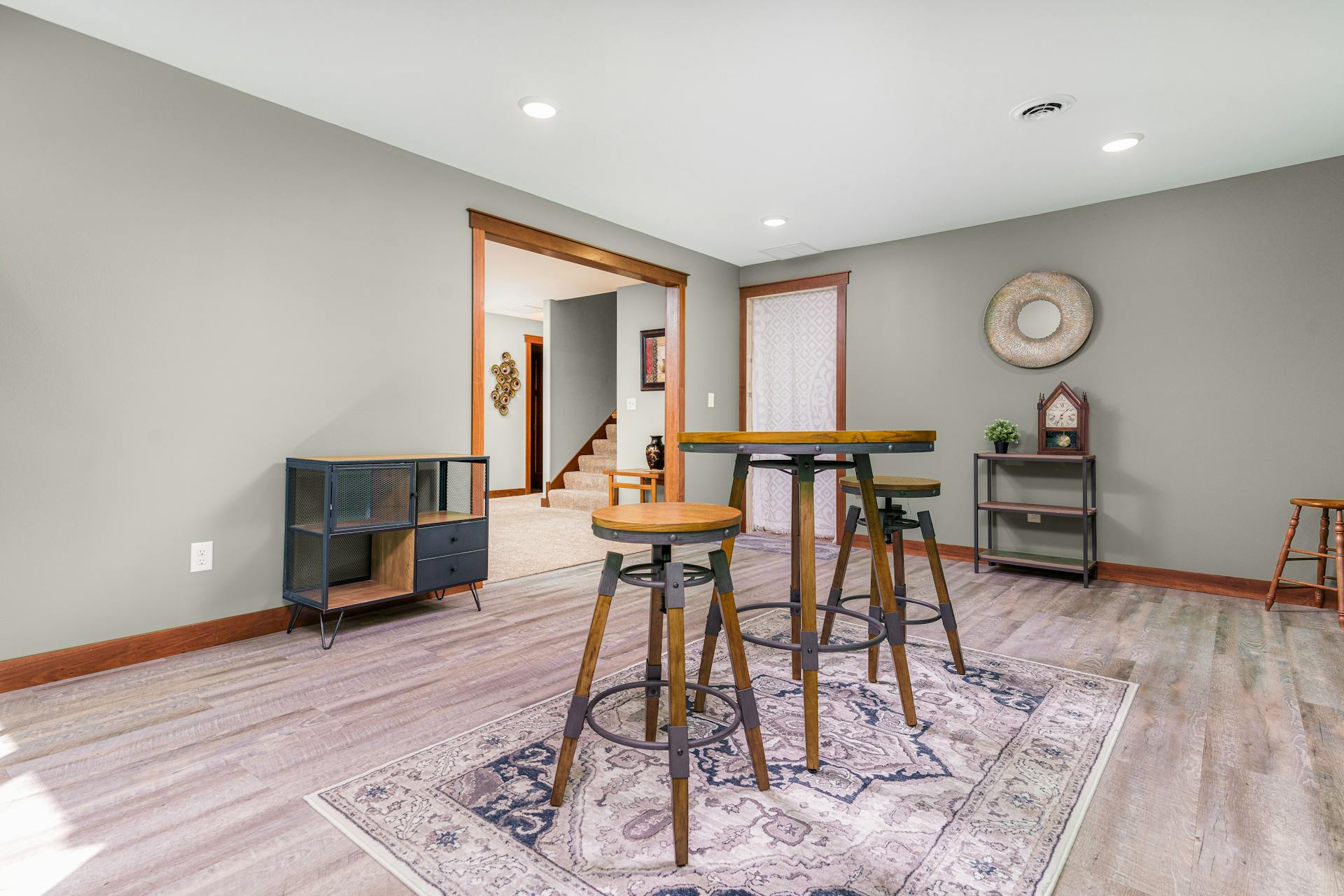

In a world increasingly defined by global trade, the furniture industry stands as a quiet yet powerful driver of economic exchange. The movement of furniture across borders is not merely a transaction of wood, metal, and textiles—it is a convergence of culture, design philosophy, and international regulation. Furniture exports are a reflection of both creativity and commerce, requiring a delicate balance between aesthetic appeal, manufacturing excellence, and strict adherence to international standards. For nations seeking to position themselves as global furniture suppliers, understanding the market potential and regulatory frameworks is not optional—it is essential.
The Global Furniture Market: Scope and Opportunity
The furniture market is vast and multifaceted. According to industry analyses, global furniture consumption has been steadily rising, fueled by urbanization, increased disposable income, and a growing middle class in emerging economies. Residential demand, driven by homeownership and renovation trends, intersects with commercial demand for offices, hotels, and public spaces. Each of these segments presents distinct opportunities for exporters.
Asia has emerged as a manufacturing powerhouse in this domain, with countries like China, Vietnam, and Indonesia leading production. Yet, the landscape is shifting. Consumers in North America and Europe increasingly value not just affordability but design innovation, sustainability, and compliance with environmental regulations. This trend opens the door for other exporting countries with a strong tradition in craftsmanship or competitive production costs to gain a foothold in high-end and niche markets.
For example, Vietnam has leveraged its skilled labor force and government support to become a rising star in furniture exports. Vietnamese wooden furniture, characterized by meticulous craftsmanship and contemporary designs, has found receptive markets in the United States and Europe. This success story underscores a broader principle: furniture exporting is as much about branding, storytelling, and perceived quality as it is about the physical product.
Understanding Market Dynamics
To navigate the complex global furniture landscape, exporters must first understand the dynamics of international markets. Several factors shape demand:
-
Consumer Preferences: Tastes in furniture are deeply cultural yet increasingly globalized. Scandinavian minimalism, American rustic styles, and Italian luxury aesthetics each command specific market segments. Exporters must align production with these preferences, sometimes even localizing designs to match regional expectations.
-
Economic Indicators: Housing markets, disposable income, and urban development plans influence furniture demand. Countries experiencing construction booms or urban renewal often import large volumes of office and residential furniture.
-
Trade Policies and Tariffs: Exporters must navigate complex trade agreements and tariffs, which can either incentivize or restrict access to certain markets. Free trade agreements, such as those between ASEAN and the European Union, can significantly reduce barriers and increase competitiveness.
-
Sustainability Trends: Modern consumers are increasingly environmentally conscious. Certifications such as FSC (Forest Stewardship Council) for wood products or LEED-compliant materials for commercial furniture are no longer optional—they are often prerequisites for entering developed markets.
-
Technological Integration: Furniture manufacturing is also being transformed by technology, from computer-aided design (CAD) to automated production lines. These innovations reduce costs, increase precision, and allow for mass customization, a key driver in markets that value both affordability and personalization.

International Standards: The Pillar of Export Competitiveness
Export success hinges not only on market demand but on rigorous compliance with international standards. Unlike domestic markets, where consumer protection is often the primary concern, international markets demand adherence to a complex web of safety, quality, and environmental regulations. Failure to meet these standards can result in shipments being delayed, returned, or rejected outright, damaging both reputation and financial stability.
1. Quality Standards
Quality is the first and most visible criterion. Furniture must withstand practical use, resist environmental stresses, and meet durability expectations. International standards such as ISO 7173 for furniture dimensions and ISO 9001 for quality management systems provide frameworks that guarantee consistency and reliability. These standards help exporters assure buyers that products will meet or exceed expectations.
2. Safety Standards
Furniture, while often perceived as benign, presents significant safety considerations. Items like chairs, tables, and bunk beds must be designed to avoid structural failures or tipping hazards. Regulatory bodies such as the American National Standards Institute (ANSI) and the European Committee for Standardization (CEN) enforce specific safety tests, including load-bearing capacity, flammability resistance, and chemical safety. For instance, children’s furniture must comply with strict limits on toxic substances, reflecting both ethical responsibility and legal obligation.
3. Environmental and Sustainability Standards
Sustainability has moved from niche concern to central requirement. The use of responsibly sourced wood, low-VOC adhesives, and recyclable materials is increasingly mandated. Certifications like FSC, PEFC (Programme for the Endorsement of Forest Certification), and GreenGuard for low chemical emissions are widely recognized and often required for entry into European, North American, and Japanese markets. Exporters who integrate these standards into their production not only ensure compliance but also gain marketing leverage, as consumers actively seek eco-friendly products.
4. Logistics and Packaging Standards
The global supply chain adds another layer of complexity. Furniture is often bulky and fragile, demanding specialized packaging and handling. International standards for packaging materials, such as ISPM 15 for wood packaging in international shipping, protect against pest contamination and environmental damage. Additionally, efficient packing reduces costs and ensures products arrive in perfect condition, enhancing brand reputation.
Strategic Approaches to Market Entry
Exporters cannot simply produce and ship furniture to foreign markets; they must approach international trade strategically. Success often requires a combination of market intelligence, product differentiation, and relationship-building.
Market Research and Segmentation
The first step is identifying target markets and customer segments. Are you aiming for high-end luxury buyers in Europe, budget-conscious consumers in North America, or commercial clients seeking office furniture? Each segment has different expectations regarding design, quality, and pricing. Comprehensive market research, including competitor analysis and consumer preference surveys, is essential.
Branding and Storytelling
In an era where products are abundant, stories sell. Exporters who communicate the heritage of craftsmanship, the environmental responsibility of their production, or the innovative design philosophy behind their furniture often enjoy a competitive edge. Branding transforms furniture from a mere commodity into an object of aspiration, fostering loyalty and repeat business.
Strategic Partnerships
Entering foreign markets often requires local partners who understand regulatory landscapes and distribution channels. Joint ventures, exclusive distribution agreements, or participation in international trade fairs can open doors and reduce risk. Trade shows such as the Cologne Furniture Fair (IMM) or the High Point Market in the U.S. are platforms for visibility and networking.
Pricing Strategy and Value Proposition
Export pricing must balance cost, perceived value, and market positioning. Underpricing can erode brand prestige, while overpricing risks alienating cost-conscious buyers. Value is often enhanced by emphasizing quality, sustainability, and unique design features, allowing products to command premium prices even in competitive markets.
Challenges in Furniture Export
Despite the promise of global markets, exporting furniture is fraught with challenges. High shipping costs, fluctuations in currency exchange rates, and complex regulatory requirements can erode profit margins. Additionally, cultural misalignment in design preferences can result in unsold inventory.
Another significant hurdle is intellectual property. Designs and brand concepts are often copied in international markets, undermining originality and reducing competitive advantage. Robust trademarking and design patents are crucial protective measures.
Sustainability, while a market differentiator, also presents challenges. Implementing eco-friendly production methods may require significant investment in sourcing, machinery, and training. Small and medium-sized enterprises (SMEs), which dominate many furniture-producing countries, may struggle to meet these standards without external support or government incentives.

Case Studies of Successful Exporters
Vietnam and Poland offer instructive examples of countries that have leveraged furniture exports for economic growth. Vietnam’s rise in the global wooden furniture market illustrates the power of combining low-cost production with high-quality craftsmanship and strategic branding. Similarly, Poland has become a hub for office furniture exports to Western Europe, capitalizing on its geographic proximity, skilled labor, and compliance with EU regulations.
These cases highlight a recurring principle: success in furniture exports requires more than manufacturing prowess. It demands strategic insight, adherence to standards, and a willingness to innovate continuously.
The Future of Furniture Exports
Looking ahead, several trends will shape the future of furniture exports:
-
Digital Transformation: E-commerce platforms and virtual showrooms are expanding market access, allowing exporters to reach global consumers directly. Digital tools for customization and augmented reality visualization are increasingly influencing purchasing decisions.
-
Sustainable Innovation: Advances in materials science and circular economy models will redefine product lifecycles, making furniture more eco-friendly and durable. Companies that embrace these innovations will appeal to environmentally conscious markets.
-
Customization and Personalization: Global consumers are moving away from mass-produced homogeneity. Modular furniture, personalized designs, and adaptable pieces that cater to urban living trends will become more prevalent.
-
Geopolitical Shifts: Trade agreements, tariffs, and regional economic integration will continue to influence market accessibility. Exporters must remain agile, adapting to changing policies and emerging markets.
-
Cultural Convergence: As design preferences converge globally, fusion styles and cross-cultural aesthetics will drive differentiation. Exporters who integrate local craftsmanship with international design trends will capture niche markets.
Conclusion
Furniture exports represent a delicate interplay of artistry, engineering, commerce, and compliance. They are a testament to human creativity, transforming raw materials into objects that provide comfort, beauty, and function across the globe. The potential for growth is immense, driven by urbanization, rising incomes, and the globalization of taste. Yet, success is contingent upon a deep understanding of market dynamics, unwavering commitment to quality and safety standards, and the ability to tell compelling stories that resonate with international consumers.
Countries and enterprises that master these dimensions are not merely selling furniture—they are exporting a vision, a standard of living, and a piece of culture. In a world of increasing homogenization, furniture exports offer an opportunity for countries to assert identity, demonstrate innovation, and participate meaningfully in global trade. By embracing both the artistry and the rigorous demands of international standards, exporters can transform challenges into opportunities, ensuring that their creations occupy not just space in homes and offices worldwide, but a respected place in the global economic landscape.
The journey from local workshop to international showcase is not simple, but it is profoundly rewarding. For those who understand the subtle interplay of design, regulation, and market intelligence, the world of furniture exports offers not only financial opportunity but a chance to contribute enduringly to human comfort, taste, and culture.