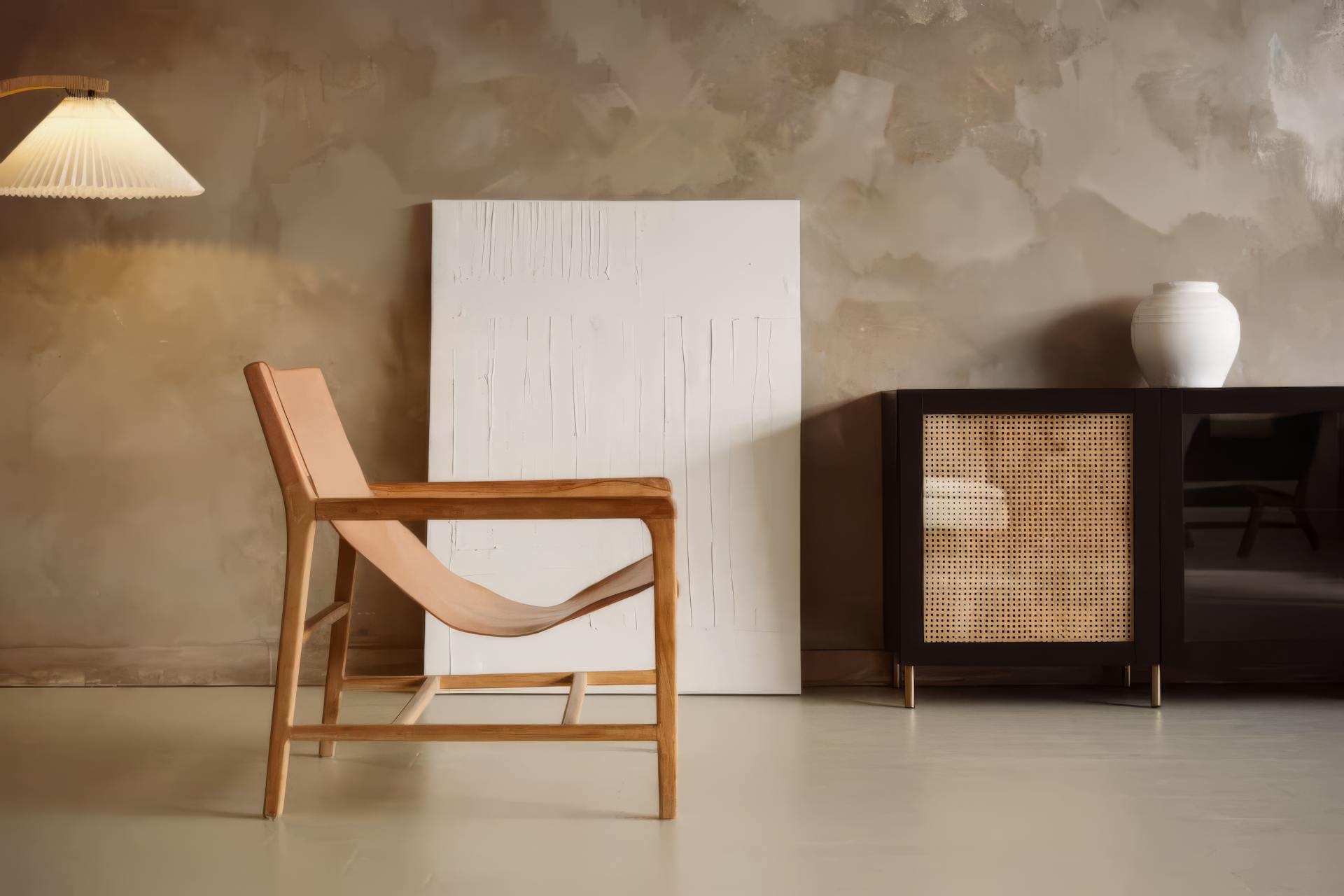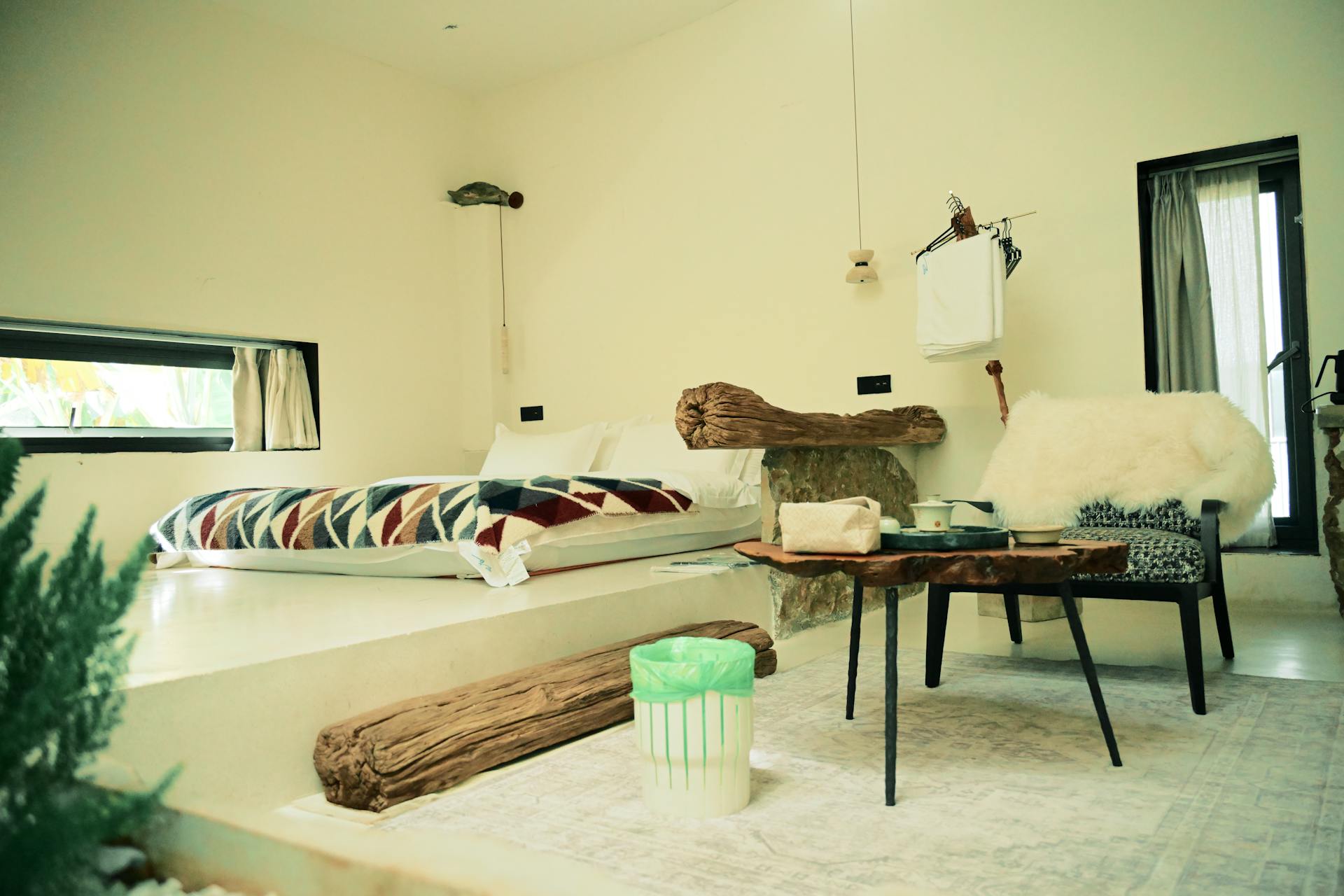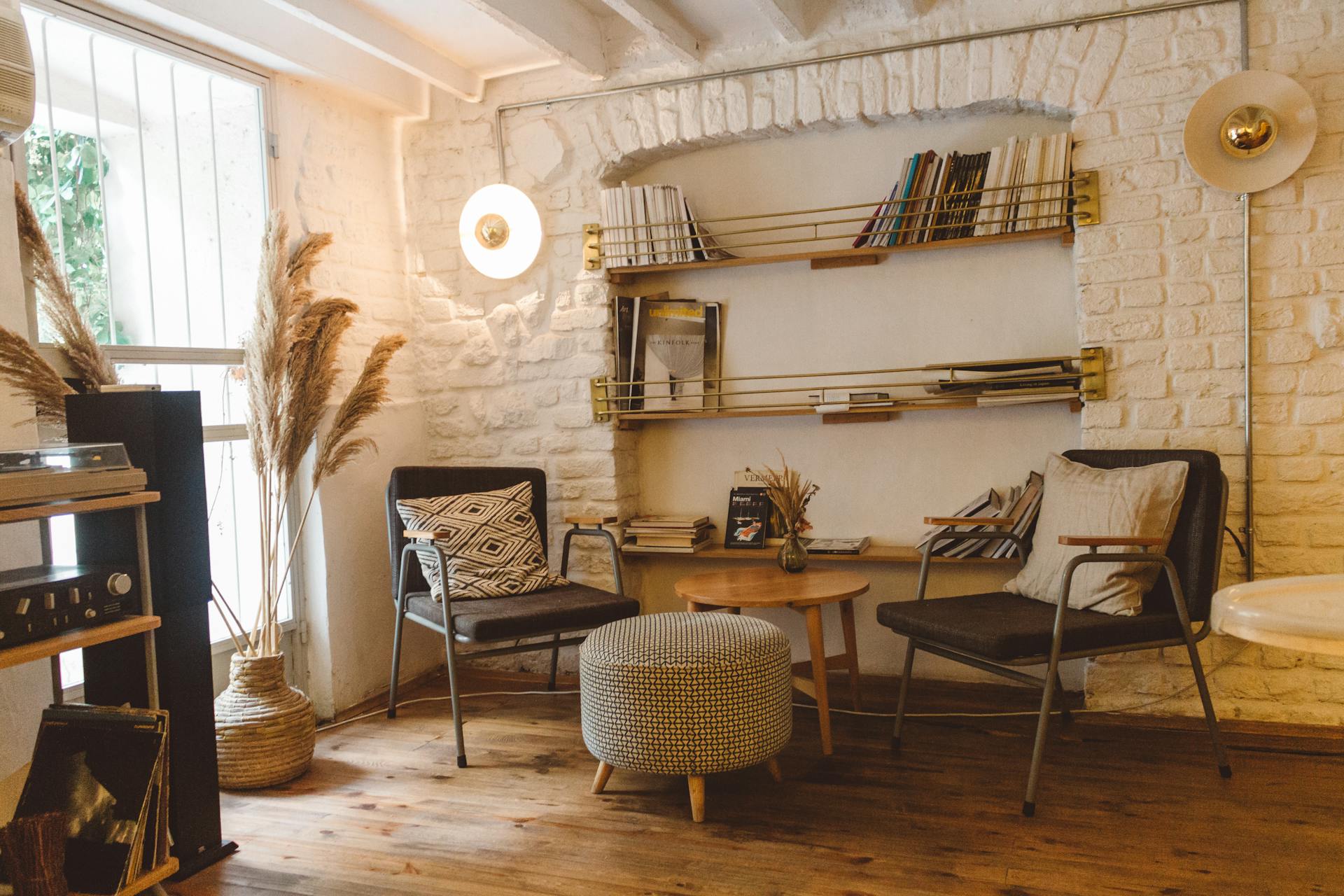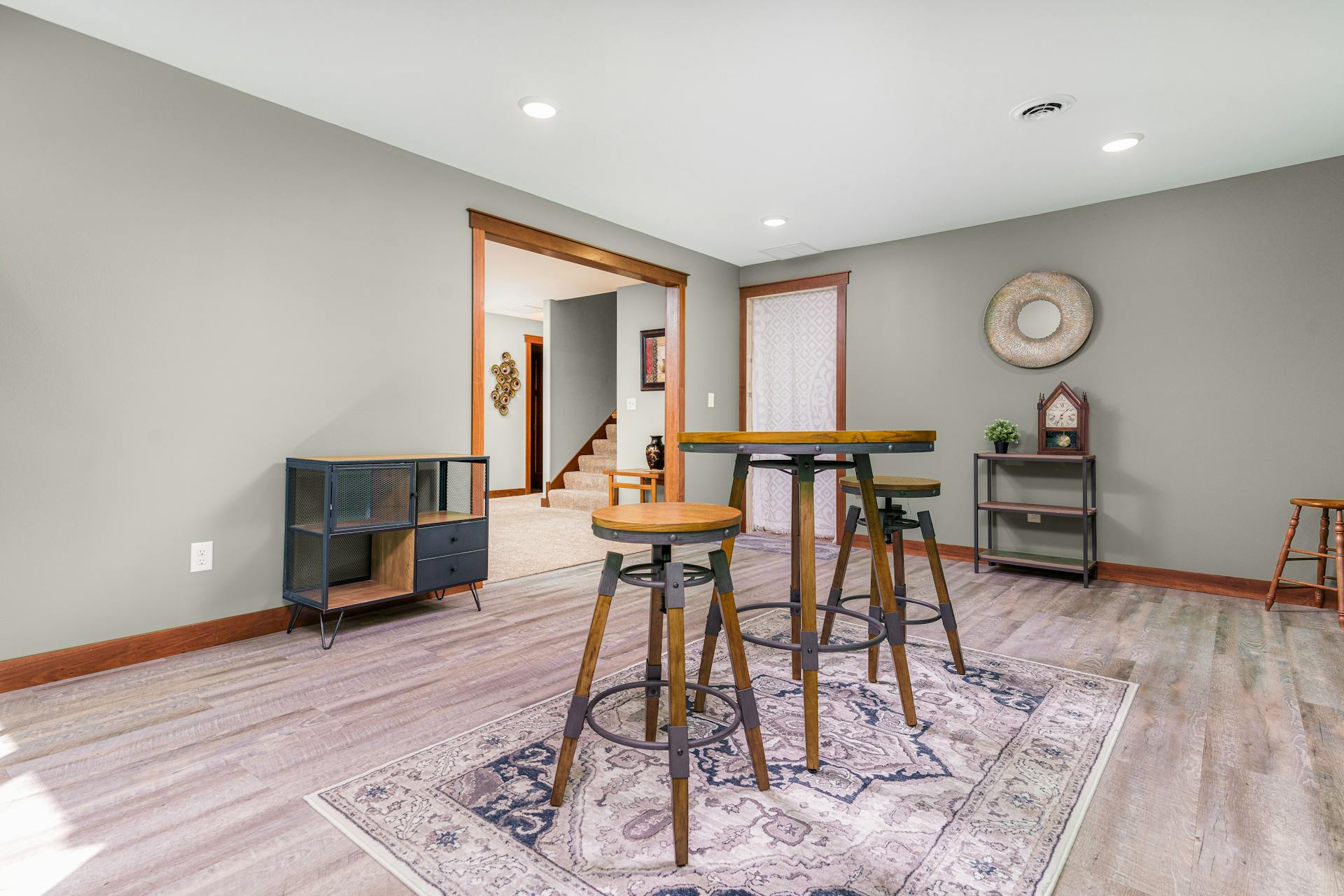
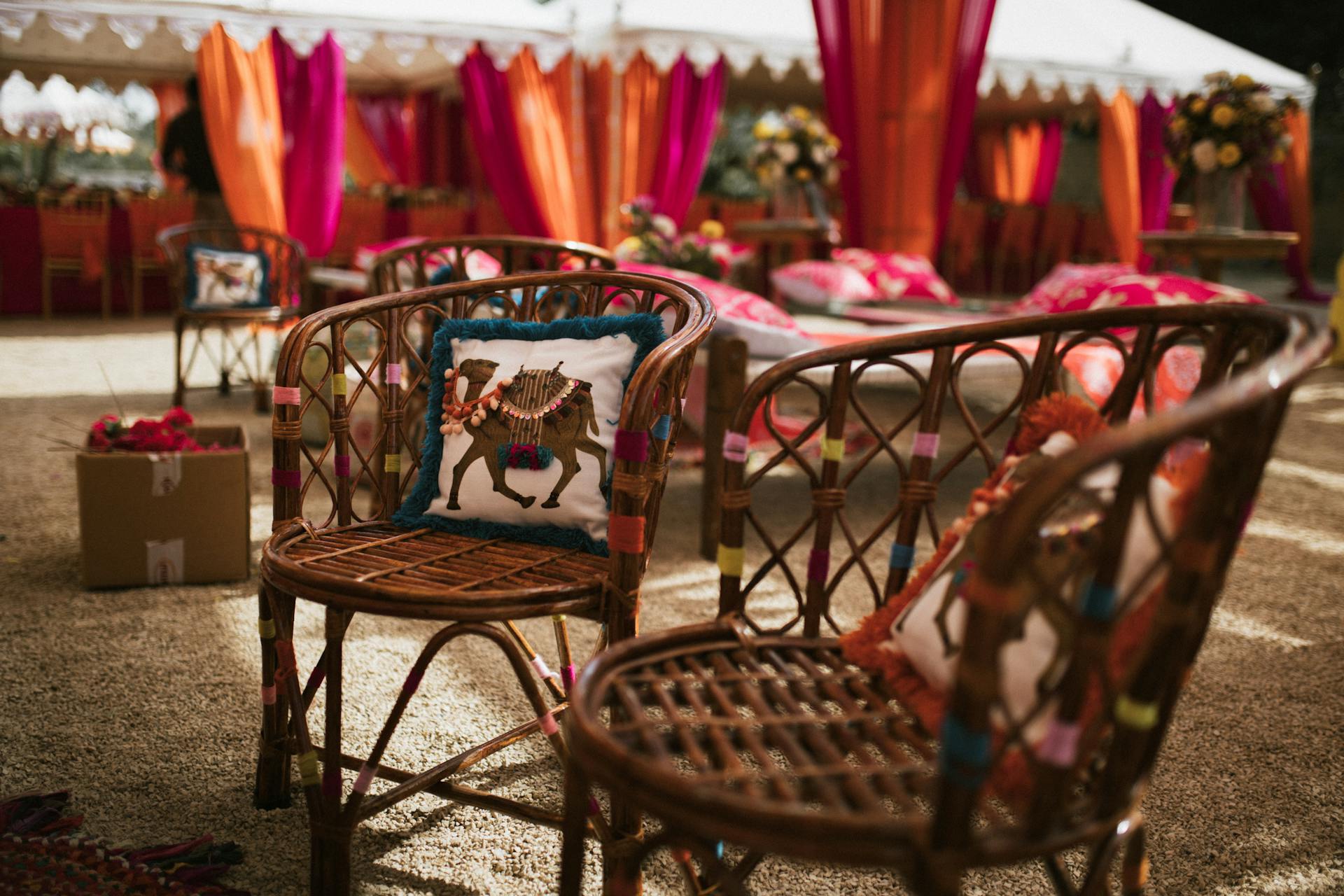
Furniture is more than the silent architecture of our homes—it’s the invisible poetry of our everyday lives. The chair that cradles you after a long day, the table that holds your morning coffee, the shelf that bears your favorite books—all are quiet companions in your human story. Modern furniture manufacturing, at its heart, is not merely about objects. It’s about how we live, how we feel, and how design becomes an extension of the self.
This guide explores the world of modern furniture manufacturing: the marriage between craft and machine, between sustainability and design, between timeless human needs and ever-evolving technology. To understand furniture today, we must step into workshops that hum with both CNC routers and human hands, where software meets sawdust, and where art finds its place in industry.
1. The Soul of Modern Furniture: Balancing Tradition and Innovation
Furniture making has always been a mirror of civilization. In the past, it was the domain of artisans—craftsmen who shaped wood by touch and intuition. Every curve of a chair leg bore the mark of its maker’s patience. But the Industrial Revolution changed everything. Mass production democratized comfort, making well-designed furniture accessible to millions.
Today, we live in a fascinating middle ground. Modern furniture manufacturing blends the precision of machines with the sensitivity of human design. Algorithms can now calculate stress points on a chair leg, while a craftsman still decides the final polish of the surface. This duality defines modern production: machines provide perfection, but humans preserve soul.
In the best modern workshops, technology doesn’t replace craftsmanship—it amplifies it. Computer-aided design (CAD) and computer numerical control (CNC) machines allow for consistency and speed, but the human eye and hand still ensure beauty, proportion, and emotional resonance.
2. Materials: The Language of Furniture
To understand modern furniture, we must first understand its materials. Every decision—from the type of wood to the composition of the fabric—shapes not only aesthetics but ethics and sustainability.
Wood
Wood remains the most beloved material in furniture. It breathes, ages, and tells a story. Modern manufacturers use a mix of solid wood and engineered wood.
-
Solid wood brings warmth and durability, but it demands careful sourcing from sustainable forests.
-
Plywood, MDF (medium-density fiberboard), and particle board offer affordability and stability, especially for minimalist designs.
Sustainability has become central. Certifications like FSC (Forest Stewardship Council) ensure responsible forestry, while manufacturers experiment with fast-growing species such as bamboo or rubberwood to reduce environmental impact.
Metal
Modern design embraces metal for its strength and precision. Steel, aluminum, and sometimes brass are used for structural elements, frames, and detailing. Powder coating or anodizing techniques prevent corrosion and enhance aesthetics.
Plastic and Composites
Plastic, once a symbol of the throwaway culture, is being reimagined. Recycled plastics and bio-based polymers are turning into sleek, durable pieces. Designers now use 3D printing to produce unique components, merging creativity with sustainability.
Textiles and Upholstery
Modern upholstery focuses on comfort and eco-consciousness. Natural fibers like cotton, wool, and linen coexist with recycled synthetics. Performance fabrics—stain-resistant, easy to clean, breathable—are transforming the domestic experience.
Glass and Stone
Glass brings transparency and lightness; stone introduces permanence and strength. Used sparingly and thoughtfully, these materials elevate furniture into sculptural statements.
3. Design Philosophy: Function Meets Emotion
Good furniture is not just functional—it’s emotional. It’s not enough for a chair to support the body; it must also speak to the soul.
Modern design philosophy is guided by three intertwined principles: functionality, simplicity, and human connection.
-
Functionality: Every form must serve a purpose. A table should be stable yet elegant, a chair ergonomic yet inviting.
-
Simplicity: Modern aesthetics favor clean lines and minimal ornamentation. The beauty lies in restraint, in letting materials and form speak for themselves.
-
Human Connection: Beyond efficiency, design must respond to emotion. Furniture becomes meaningful when it resonates with its user’s lifestyle, memory, or identity.
The Danish concept of hygge—a sense of coziness and belonging—captures the emotional depth of design. Meanwhile, Japanese wabi-sabi embraces imperfection and impermanence, reminding us that even mass-produced furniture can carry quiet beauty.
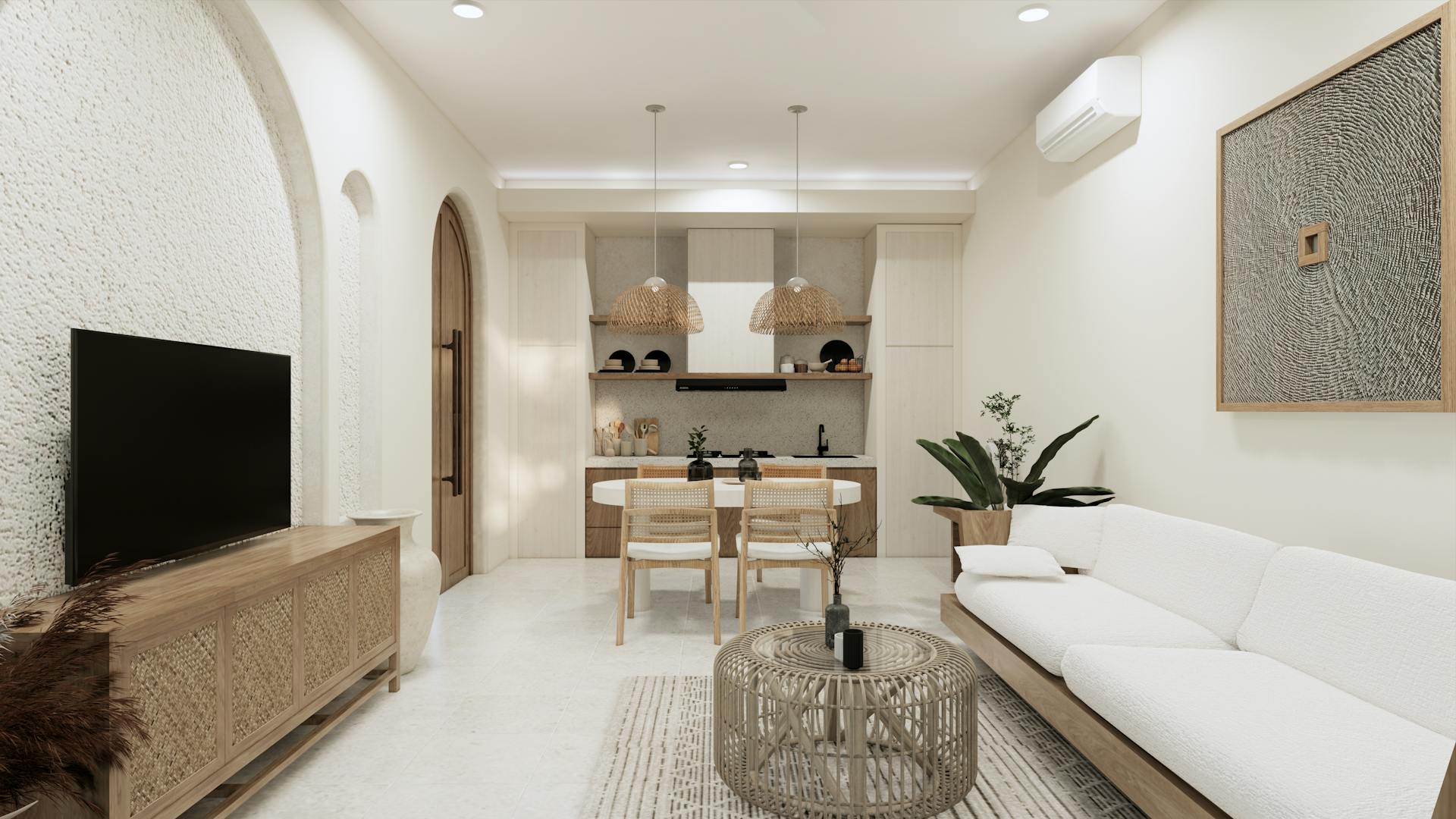
4. The Manufacturing Process: From Idea to Reality
Behind every polished chair or elegant table lies a journey—a meticulous process that fuses creativity, engineering, and logistics.
Step 1: Concept and Design
The process begins in the mind. Designers sketch, model, and experiment, translating abstract ideas into physical possibilities. Digital tools such as CAD allow precise visualization and simulation before a single piece of material is cut.
Step 2: Prototyping
A prototype is the soul in raw form. Here, designers test proportions, ergonomics, and assembly methods. Rapid prototyping with 3D printers has revolutionized this stage, reducing time and waste while expanding creative freedom.
Step 3: Material Selection
Each material brings unique challenges—grain patterns in wood, flexibility in metal, resilience in fabric. Selection balances aesthetics, cost, durability, and environmental footprint.
Step 4: Cutting and Shaping
Modern factories use CNC routers, laser cutters, and press brakes for precision. Yet hand tools still shape fine details where machines fall short—edges, joints, curves. The dialogue between man and machine continues here, every day.
Step 5: Assembly and Joinery
Joinery is the hidden poetry of furniture. Mortise and tenon, dovetail, dowel, biscuit, or screw—all determine a piece’s integrity. Many modern manufacturers use modular joinery to simplify transport and reduce carbon footprint.
Step 6: Finishing
Finishing gives personality—through staining, painting, oiling, or powder coating. It protects the surface and defines the tone. A well-finished surface should feel alive under the fingertips, revealing the depth of material rather than concealing it.
Step 7: Quality Control and Testing
Modern furniture undergoes rigorous testing: strength, stability, durability, even toxicity levels in adhesives and finishes. Standards such as ISO 7170 or ANSI/BIFMA ensure global reliability.
Step 8: Packaging and Distribution
Sustainability extends to packaging—biodegradable materials, compact flat-packing, and efficient logistics minimize waste and cost. IKEA’s flat-pack revolution exemplifies this efficiency, influencing the entire industry.
5. Technology and Automation: The Smart Factory
Modern furniture manufacturing operates in a new era of Industry 4.0, where digital and physical systems intertwine.
-
CNC Machining ensures precise cutting and shaping, turning complex designs into tangible parts.
-
Robotics handle repetitive or heavy tasks, enhancing safety and efficiency.
-
AI and Data Analytics predict maintenance schedules, optimize production flow, and reduce waste.
-
3D Printing allows custom parts and intricate geometries impossible by traditional methods.
-
AR/VR Design enables immersive visualization—clients can “walk around” a virtual table before it’s built.
Yet the future is not purely mechanical. The most advanced factories still rely on the human eye for final assembly and quality inspection. Technology assists creativity—it does not replace it.
6. Sustainability: Building the Future Responsibly
Sustainability is no longer a marketing term—it’s a moral imperative. The furniture industry, once associated with deforestation and landfill waste, is reinventing itself through responsibility and innovation.
-
Eco-friendly Materials: Recycled woods, reclaimed metals, biodegradable plastics, and water-based finishes.
-
Circular Design: Furniture designed for disassembly and recycling at the end of life.
-
Local Manufacturing: Reduces transportation emissions and supports regional economies.
-
Energy Efficiency: Solar-powered factories, LED lighting, and heat recovery systems are becoming standard.
Some companies now offer “take-back” programs, reclaiming old furniture for refurbishment. This circular model redefines ownership—from consumption to stewardship.
Sustainable furniture manufacturing isn’t about sacrifice—it’s about wisdom. It’s about creating beauty that doesn’t come at the planet’s expense.

7. Customization and the Human Touch
In a world flooded by mass production, customization has become a symbol of individuality. Customers crave uniqueness, the sense that their furniture is theirs alone.
Modern manufacturers respond with mass customization—using digital tools to personalize designs without sacrificing efficiency. Customers can choose dimensions, fabrics, finishes, or configurations through online configurators, while factories adjust seamlessly.
But the emotional value goes deeper. A handcrafted detail, a visible joint, a unique grain pattern—these imperfections remind us that behind every product is a person.
In this sense, modern furniture is returning to its roots. It is rediscovering the human touch that industrialization once threatened to erase.
8. The Global Landscape: From Scandinavia to Japan
Modern furniture reflects cultural philosophies. Scandinavian design emphasizes functionality, lightness, and democratic beauty. Japanese furniture values restraint and tranquility. Italian design radiates sensuality and craftsmanship.
In the globalized world, these philosophies blend. A minimalist Japanese form might meet Scandinavian materials and Italian upholstery. What emerges is a global language of design: clean, conscious, and human.
At the same time, local identity still matters. Regional materials, traditional joinery, and local craftsmanship create authenticity—a vital counterbalance to homogenization.
9. Challenges in Modern Manufacturing
Even amid progress, the industry faces profound challenges:
-
Supply Chain Disruptions: Global events can paralyze logistics and raise material costs.
-
Labor Shortages: Skilled craftspeople are aging, and younger generations often overlook manual trades.
-
Overproduction: The fast-furniture trend fuels waste and environmental harm.
-
Design Imitation: Copycat manufacturing undermines originality and ethical labor.
The solution lies in balance: automation for efficiency, but education and respect for craftsmanship to preserve artistry.
10. The Emotional Dimension of Furniture
At its essence, furniture is not just design—it’s emotion translated into form. A dining table gathers generations; a chair remembers fatigue and comfort; a desk carries the marks of creativity and labor.
When manufacturing becomes too mechanical, furniture loses its warmth. That’s why modern manufacturers increasingly speak of emotional durability—the idea that objects should be loved, not replaced.
A well-designed chair might last decades, not because it’s indestructible, but because it means something. That emotional connection is the truest measure of sustainability.
Conclusion: The Craft of Living
Modern furniture manufacturing is no longer a contest between art and science—it is their embrace. In this age of precision machinery and global logistics, the heart of furniture still beats in the hands of the maker and the homes of those who use it.
Every screw, every curve, every grain of wood reflects choices—ethical, aesthetic, human. The complete guide to modern furniture manufacturing, then, is not a technical manual but a philosophy: to make things that matter, things that last, things that remind us who we are.
Because when you touch a well-made table or sit in a chair designed with care, you feel something ancient—a lineage of makers stretching across time, whispering through the wood and metal: This was made for you.