
1. The Awakening of Conscious Design
For decades, interior design was seen as a pursuit of beauty — a discipline that sculpted comfort and aesthetics into physical form. Designers sought elegance, innovation, and identity. Yet as the 21st century matures, the very foundation of beauty has begun to change. The elegance of a space is no longer judged solely by its lines, textures, or lighting — but by its conscience.
Circular design represents this awakening — the shift from creating beautiful interiors to creating meaningful ones. It invites us to design not just for today’s delight but for tomorrow’s survival. In a world exhausted by waste, pollution, and planned obsolescence, circular design doesn’t feel like a trend; it feels like an ethical evolution.
In essence, circular design asks: What if the life of every object, every material, every room could continue beyond its first purpose?
This question, deceptively simple, has quietly revolutionized how we think about modern interiors.
2. From Linear to Circular: The Great Rethinking
Traditional interior design operates in a linear pattern: take, make, dispose. Materials are extracted, shaped into products, and ultimately discarded once trends shift or wear takes its toll. This model mirrors the old industrial logic — efficient in the short term, disastrous in the long.
Circular design, on the other hand, seeks continuity. It replaces the line with a loop. In a circular system, products are designed for longevity, materials are reused or recycled, and waste is treated as a resource. The goal is not simply to decorate spaces but to sustain them — economically, ecologically, and emotionally.
Circular interior design challenges the very notion of “end.” Nothing is meant to die in a landfill. Everything is meant to return — to be reborn as something new, to evolve within a continuous cycle of use and renewal.
It is not just an environmental philosophy. It is a spiritual one — a reminder that design, at its highest level, participates in the cycles of nature rather than standing above them.
3. Designing for Longevity: The Quiet Rebellion Against Waste
In the age of fast furniture, circular design stands as quiet rebellion.
Mass-produced interiors, driven by low costs and fleeting trends, have conditioned consumers to replace rather than repair. But this culture of disposability has come at a steep price — overflowing landfills, degraded forests, and anonymous, soulless spaces devoid of craft or permanence.
Circular design fights this erosion by restoring the dignity of durability. Every object — from a chair to a kitchen counter — is conceived with endurance in mind. The emphasis shifts from buying more to buying better.
Materials are chosen not only for their look but for their lifespan. Modular systems are favored, allowing components to be repaired or replaced individually rather than discarded entirely. Furniture may be designed to be disassembled, reconfigured, or even fully recycled.
It is design that loves the future enough to think ahead.
And in this foresight lies beauty — a quieter, deeper beauty that speaks of care, intelligence, and responsibility.
4. Material Honesty: A Return to Nature
Circular interior design celebrates material honesty — a principle that honors the origins, properties, and life cycle of every substance used.
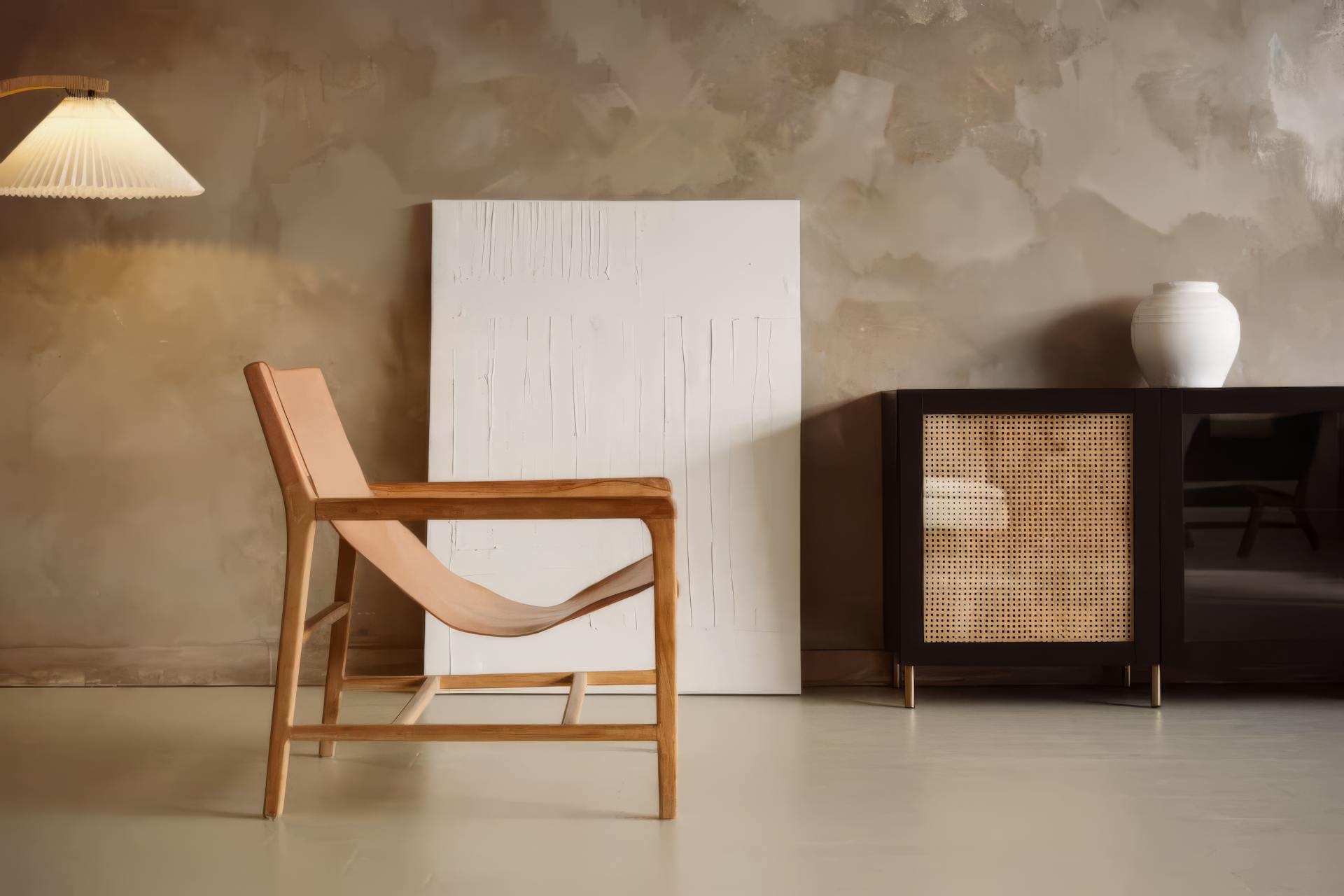
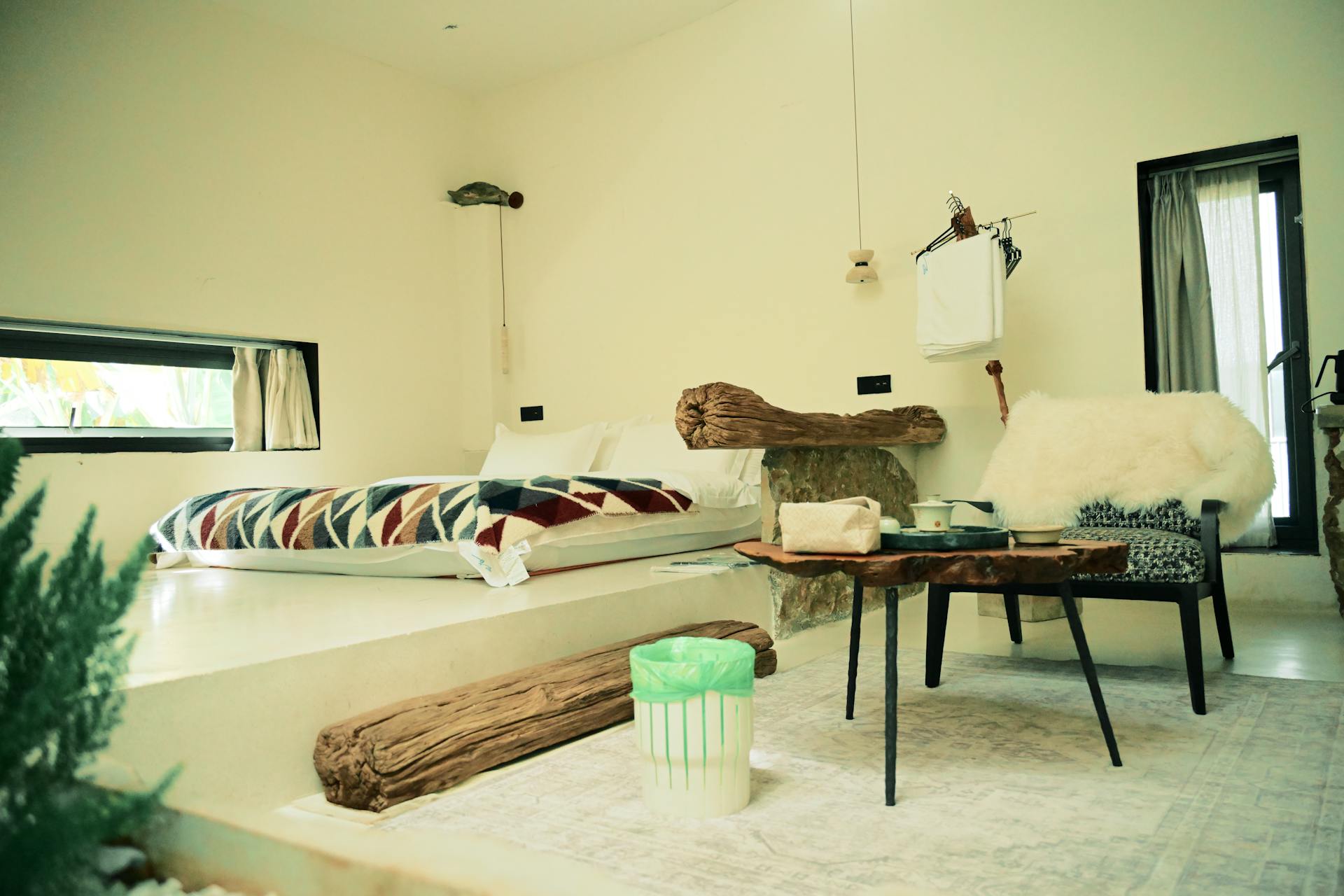
Reclaimed wood, recycled metal, plant-based fabrics, biodegradable composites — these are not just materials; they are narratives. Each carries a story of transformation, of something once forgotten made whole again.
In modern interiors, this approach manifests in breathtaking ways: floors crafted from salvaged oak beams, light fixtures made of repurposed glass bottles, or wall panels derived from agricultural byproducts. The result is not only sustainability but also authenticity — a tactile, emotional connection between human and habitat.
Material honesty also challenges the illusion of perfection. Circular interiors often embrace patina, texture, and imperfection — signs of life, time, and use. A table with a few scars from its previous life as a factory door tells more truth than a flawless, disposable surface ever could.
This return to natural imperfection is not a regression; it is a reconnection.
5. Emotional Durability: Designing for the Human Heart
Circular design goes beyond environmental and technical considerations; it touches the emotional dimension of sustainability.
An object lasts not only because it is well-made, but because we want it to last. Emotional attachment extends a product’s life far more effectively than any material innovation. When we love something — a chair that carries memories, a lamp that feels like home — we repair it, preserve it, and pass it on.
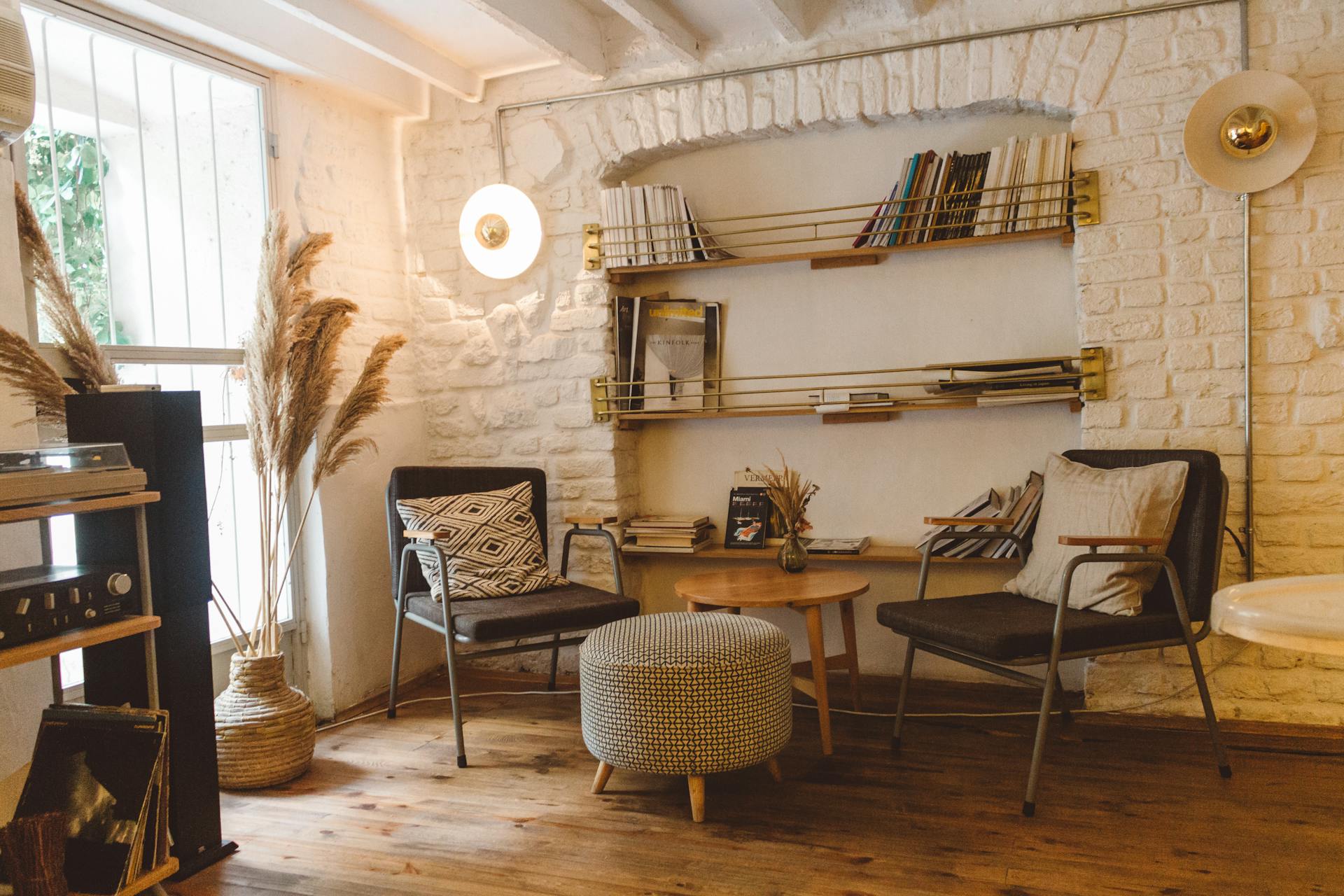
This is why circular interiors often cultivate warmth, character, and personal resonance. They favor pieces with soul — handcrafted items, meaningful textures, inherited artifacts — over sterile perfection.
A sustainable home is not one filled with recycled materials alone, but one that fosters belonging and continuity. It becomes a living ecosystem of stories and relationships, where every item has a reason to stay.
Thus, circular design becomes not just a technical strategy, but an emotional philosophy. It is design that loves as much as it endures.
6. Systems Thinking: Seeing the Whole, Not Just the Room
Circularity demands a shift from isolated design decisions to systemic thinking. A truly circular interior does not exist in a vacuum — it connects architecture, manufacturing, energy, and even behavior.
For example, a circular office space might use modular furniture built from recycled aluminum, powered by renewable energy, with textiles sourced from local waste streams. But beyond that, it might also incorporate flexible layouts to adapt to changing needs, reducing the demand for future renovations.
Every element, every process, is interlinked — forming an ecosystem of responsibility.
This systemic approach also bridges the gap between designer and user. Circular interiors often encourage participatory design, where occupants become stewards of the space rather than mere consumers. They maintain, adapt, and evolve the environment over time.
Circular design thus transforms interior design from a static act of decoration into a living dialogue between creation, use, and renewal.
7. The New Aesthetic: Beauty as Responsibility
For centuries, design aesthetics have revolved around form. Circular design adds a new dimension: ethics as aesthetic.
The emerging beauty of modern interiors is found not only in their visual harmony but in their moral integrity. A room made from reclaimed materials, naturally lit and efficiently ventilated, tells a different kind of story — one of empathy, restraint, and wisdom.
Circular design teaches that sustainability and sophistication are not opposites. In fact, restraint often creates refinement. When materials are few but meaningful, when colors reflect nature, when every piece earns its place, the result is purity — a beauty distilled to its essence.
It is not the loud luxury of excess, but the quiet luxury of purpose.
This aesthetic is spreading rapidly across hotels, offices, and homes. Designers like Ilse Crawford, Patricia Urquiola, and the Nordic sustainability movement have championed interiors that balance comfort, conscience, and continuity. Their spaces are not showcases — they are sanctuaries of thoughtfulness.
8. The Economics of Circular Design: Beyond Idealism
To some, circular design sounds idealistic — a poetic dream disconnected from economic reality. Yet evidence shows the opposite.
Circular interiors often prove more economical over time. Durable materials reduce replacement costs; modularity lowers renovation expenses; and resale, refurbishment, or recycling systems create new revenue streams.
In commercial settings, circular office furniture can be leased, refurbished, and re-leased — turning products into long-term assets rather than one-time sales. For residential design, reclaimed materials and local production cut costs and carbon footprints simultaneously.
Circular design doesn’t reject capitalism — it reimagines it through longevity and regeneration. It replaces the logic of profit from volume with profit from value.
It is not about consuming less beauty, but consuming beauty more intelligently.
9. Education and Collaboration: Building the Circular Mindset
No single designer or manufacturer can achieve circularity alone. It requires collaboration — across disciplines, industries, and communities.
Interior designers must now work closely with material scientists, waste management experts, local artisans, and even policy-makers. Design education, too, must evolve — teaching not only aesthetics and composition but life-cycle analysis, circular economy principles, and ethical sourcing.
Young designers are already leading this transformation, driven by urgency and hope. They see design not as a luxury, but as a duty — a tool to repair what has been broken in our relationship with the planet.
Circular design thus becomes not just a professional skill, but a moral literacy — a way of thinking that extends beyond interiors into how we live, consume, and care.
10. A Future Built to Return
Perhaps the most poetic idea of circular design is this: it acknowledges our impermanence.
Unlike the linear obsession with progress and novelty, circularity respects the natural rhythm of decay and rebirth. It teaches that endings are not failures but beginnings in disguise.
When an interior ages gracefully, when its materials can be reused, when its components can reenter the cycle of creation — it mirrors life itself.
A circular home, then, is not a static monument but a living organism. It breathes, adapts, and eventually gives back. And in doing so, it teaches us to live with humility — to recognize that we are not masters of matter, but participants in its eternal dance.
Conclusion: The Heart of the Circle
Circular design in modern interiors is more than a sustainable strategy — it is a philosophy of love. Love for the Earth, for craftsmanship, for future generations.
It asks us to design not for applause, but for endurance; not for ownership, but for stewardship. It replaces the vanity of “newness” with the grace of continuity.
In this sense, circular design marks a quiet but profound revolution in human creativity. It transforms design from an act of consumption into an act of compassion — one that honors both the planet and the people who dwell upon it.
The interiors of the future will not merely look beautiful.
They will live beautifully — breathing with integrity, aging with grace, and returning, always, to the circle that never ends.