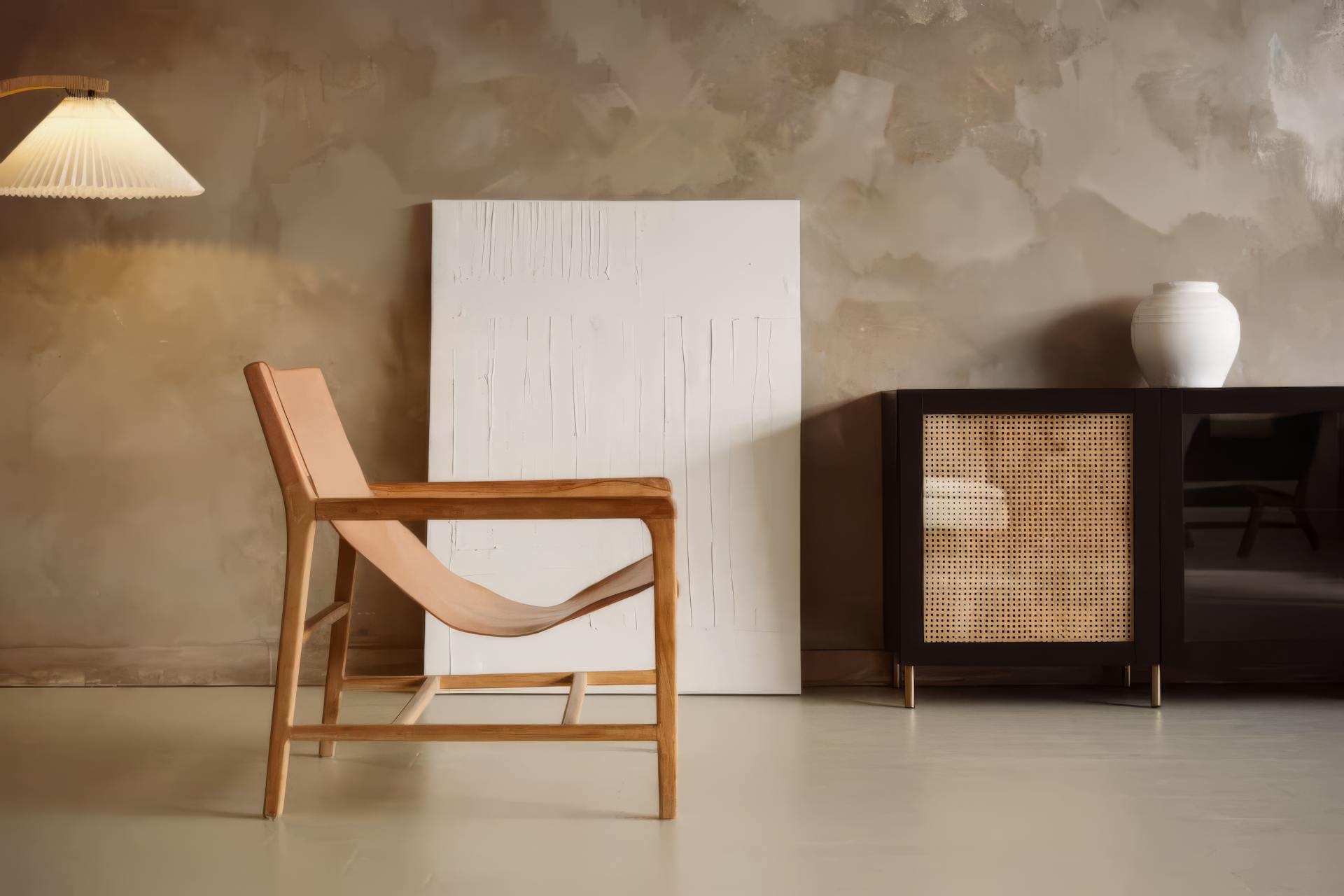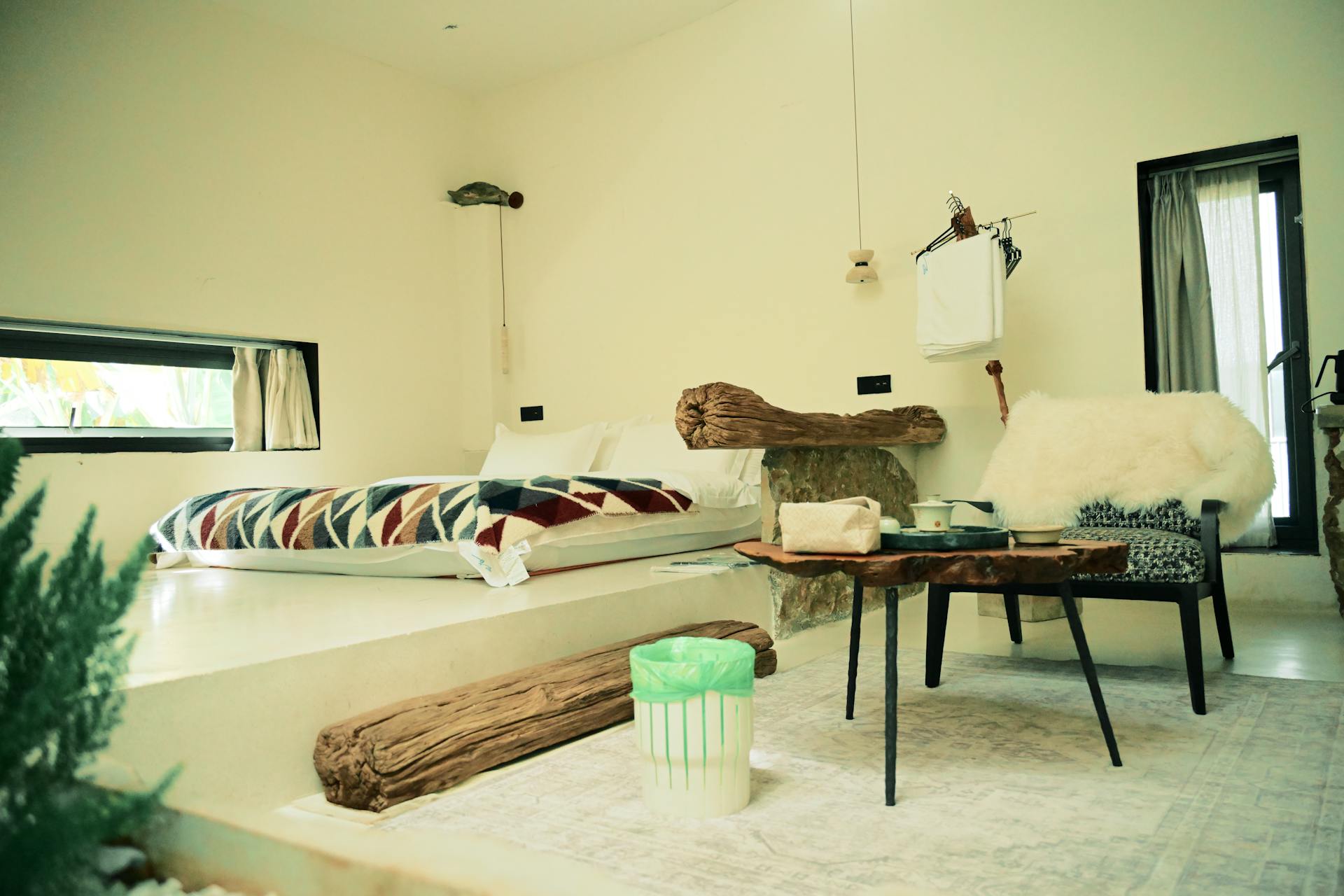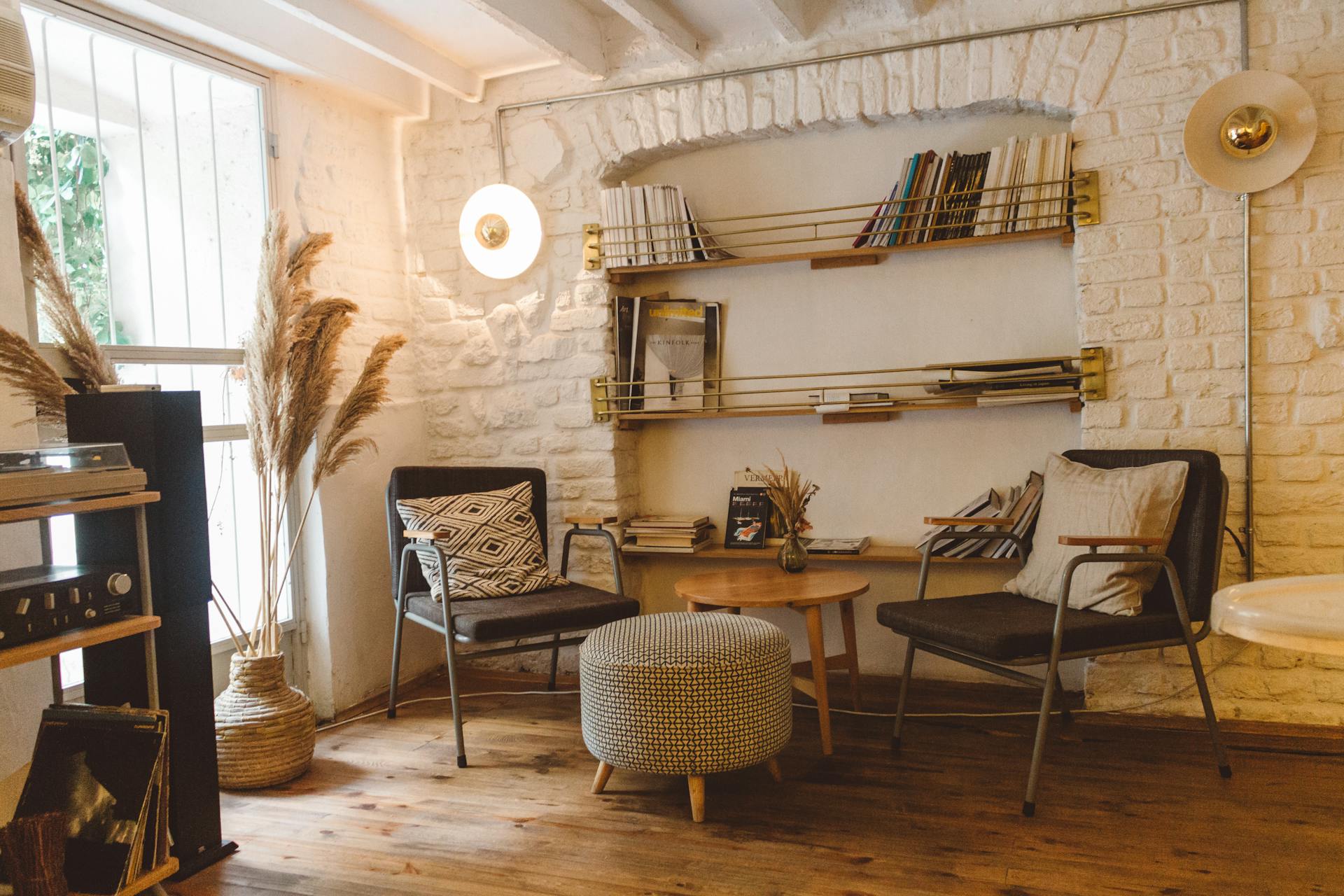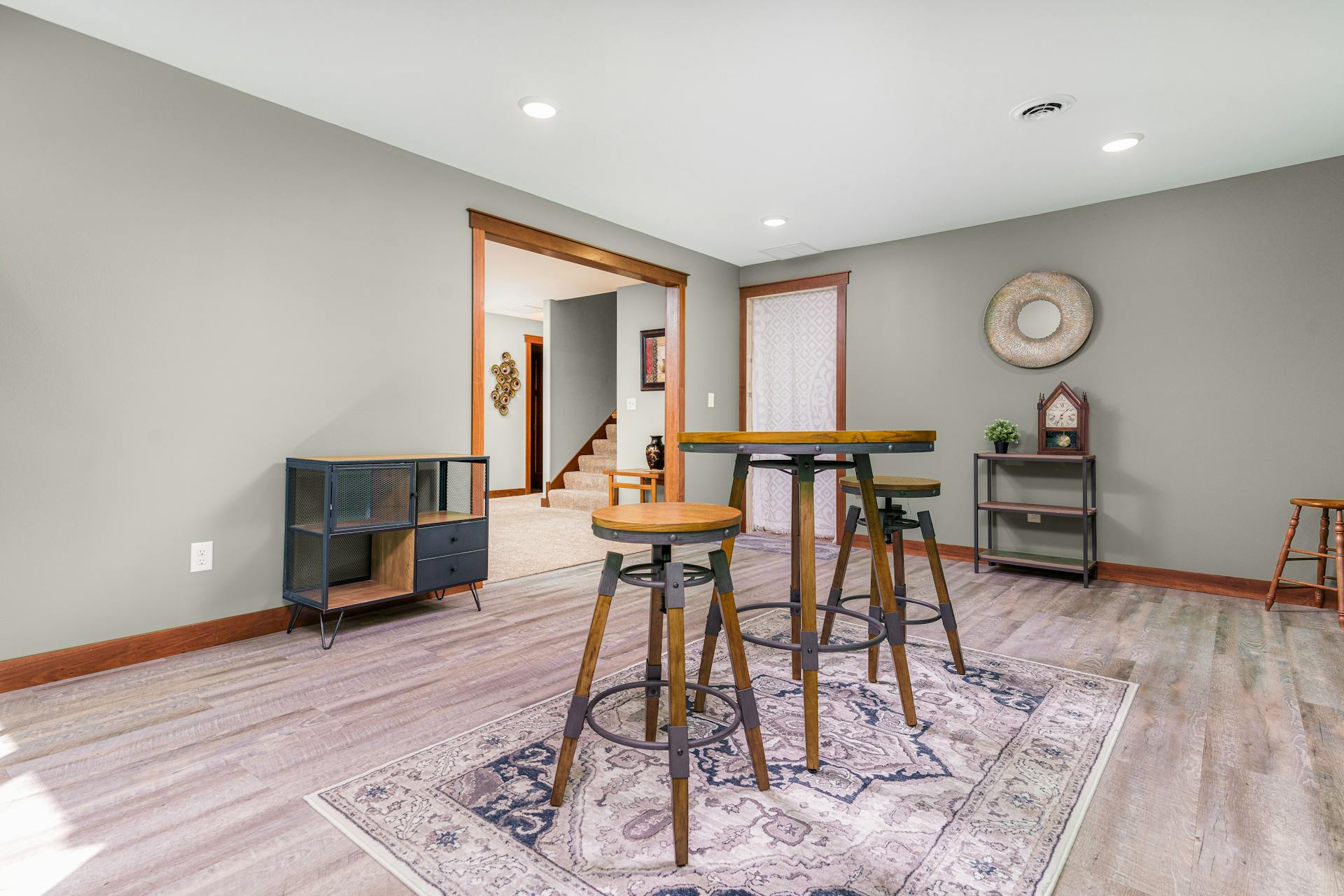

There’s something profoundly human about furniture. Unlike machines or fleeting digital creations, furniture carries warmth—the silent witness to our lives. A sturdy chair remembers the weight of our exhaustion after long days. A dining table absorbs laughter and conversation into its grain. And every piece of high-quality furniture begins as an idea—an intimate blend of imagination, skill, and reverence for the materials.
In an age of fast manufacturing and disposable living, the art of making furniture by hand, or even with integrity through modern tools, stands as an act of resistance—a slow, deliberate pursuit of excellence. Creating high-quality furniture is not merely about assembling wood and hardware; it’s about building something that will outlast us, that will hold meaning for generations. Let’s step into that process, one stage at a time, and uncover what it truly means to bring a piece of furniture to life.
1. The Vision: Where Every Piece Begins
Every masterpiece begins in the mind. Before a single tool touches the wood, the furniture maker envisions the purpose, the story, and the soul of the piece.
High-quality furniture is never made by accident. The craftsman begins with a question: What is this piece meant to express? Is it the calm elegance of a minimalist oak table? The bold confidence of a leather armchair? Or perhaps the quiet nostalgia of a vintage-inspired bookshelf?
Sketches, mood boards, and mental imagery fill this stage. The maker studies proportion, balance, and the dialogue between form and function. Every line drawn carries intention—there’s no room for randomness when the goal is timeless beauty.
This is also when the maker decides what story the furniture will tell. The finest designs are not only functional but emotional—they reflect a philosophy of living. Scandinavian simplicity, Japanese wabi-sabi, or mid-century modern clarity—each speaks to different ways of seeing the world.
At this early stage, the heart of craftsmanship beats for vision. It’s not just “design”; it’s storytelling through shape, texture, and touch.
2. The Choice of Materials: Listening to the Wood
Wood is alive, even after being cut. It expands, contracts, and breathes with the air around it. To choose the right material is to listen to its nature. A true craftsman treats wood as a partner, not a servant.
Different woods carry distinct personalities. Oak stands firm with strength and dignity. Walnut exudes warmth and luxury. Maple whispers restraint and refinement. Teak and mahogany hold history in their scent and density.
Selecting wood for high-quality furniture is both science and art. The craftsman examines the grain direction, color consistency, and moisture content. Imperfections—small knots or streaks—are not always flaws; sometimes they become the signature of authenticity.
Beyond aesthetics, sustainability plays an essential role. Responsible makers source wood from certified forests or reclaimed sources, honoring the environment from which the material came. The ethics of creation matter—true quality begins long before assembly; it begins with respect for the Earth itself.
3. The Design Phase: Harmony Between Form and Function
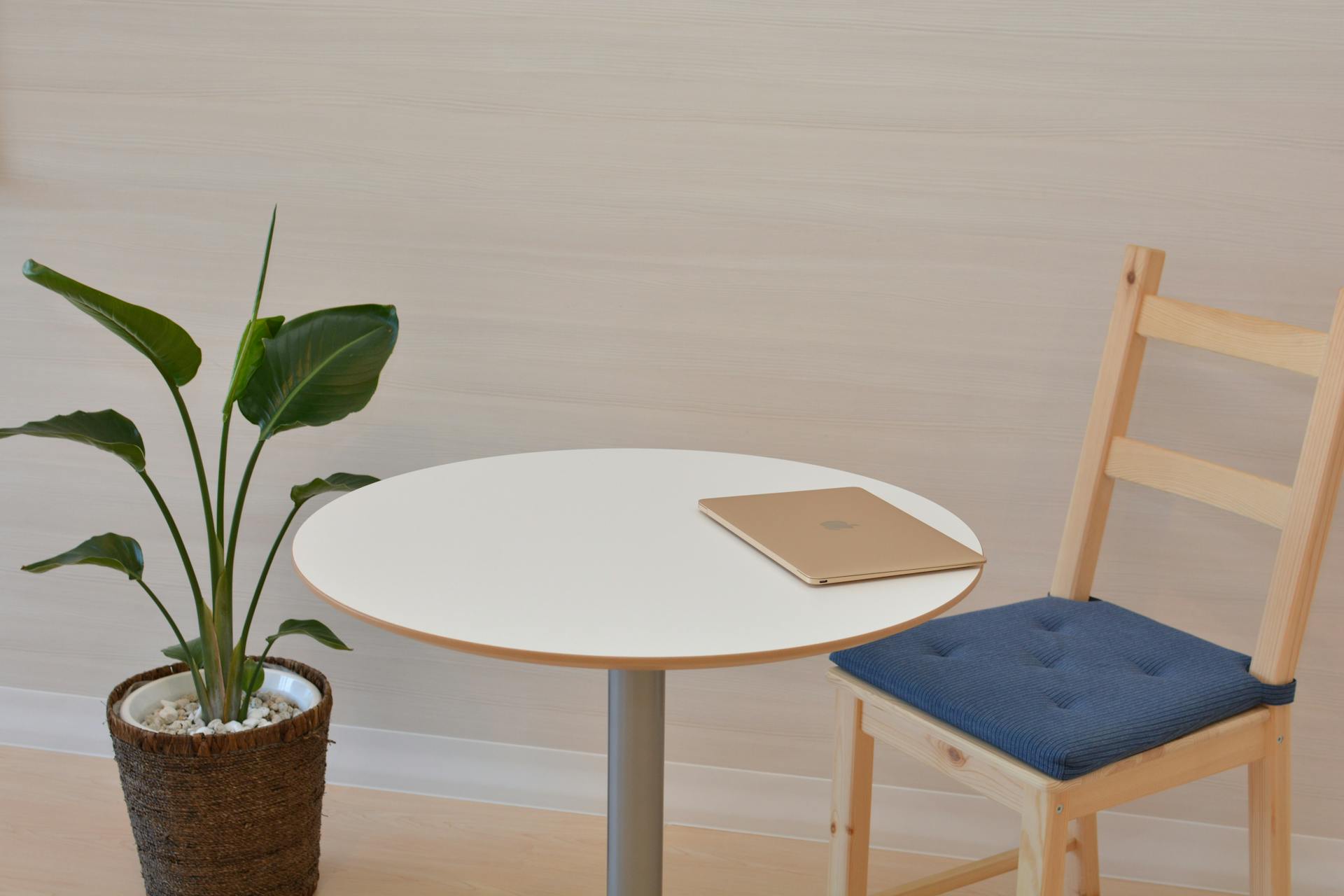
Once materials are chosen, the design evolves from sketches into measured blueprints. This is where art meets mathematics—where idealism meets engineering.
A high-quality design considers every angle of human interaction. The chair must support posture naturally; the table must invite gathering without dominating space. The maker measures, calculates, and sometimes even prototypes with cheaper wood or 3D models before cutting into the real thing.
This is also where joinery plans are made. In fine furniture, joints are not hidden secrets—they are statements of skill. Mortise and tenon, dovetail, finger joint, dowel—each has its own integrity, strength, and aesthetic. No nails or shortcuts can replicate the bond that a well-cut joint provides.
This design stage demands patience and foresight. Every curve, every corner, must align with both beauty and purpose. Because once the cutting begins, every mistake leaves a mark.
4. The Preparation: Tools, Plans, and Precision
Before the first cut, a craftsman prepares the workspace like a stage before performance. Every tool must be sharp, clean, and ready. A dull chisel or uneven saw can destroy hours of careful planning.
The maker checks humidity, lighting, and measurements with ritualistic precision. Good preparation reflects respect—for the work, for the material, and for the craft.
Wood is then acclimated to the workshop environment for days or even weeks, allowing it to settle before cutting. This step prevents warping or cracking later—a detail often ignored by mass producers, yet crucial for lasting quality.
The craftsman breathes deeply before the first cut. There’s no haste here—only deliberate motion. Furniture-making is not a race; it’s a meditation.
5. The Shaping: From Raw Material to Form
This stage is where the vision takes its first physical shape. Boards are cut, planed, and jointed into panels or frames. Each pass of the blade is an act of dialogue between the maker and the material.
Precision becomes law. Measurements are checked again and again—because even a single millimeter off can throw an entire design into imbalance. The craftsman moves rhythmically, with confidence born of repetition.
As the components form—legs, seats, arms, or drawers—the maker must anticipate how each will interact. Grain direction, weight distribution, and join alignment are constantly considered. The result isn’t just structure—it’s harmony.
The beauty of shaping lies in subtlety. The curve of an armrest, the slope of a backrest, the taper of a leg—each detail reveals the maker’s sensitivity to ergonomics and aesthetics. These are not embellishments; they’re gestures of care.
6. The Joinery: The Invisible Art of Strength
Joinery is the soul of high-quality furniture. It’s what separates enduring craftsmanship from disposable assembly.
While modern production often relies on screws and metal brackets, traditional joinery relies on geometry and skill. Dovetails interlock like puzzle pieces, providing beauty and strength simultaneously. Mortise and tenon joints unite pieces so tightly that they often don’t even need glue.
A master craftsman can look at a joint and read its story—how it was cut, fitted, and finished. Precision here ensures that the furniture won’t squeak, wobble, or fail even after decades of use.
It’s also a moment of deep satisfaction. Watching pieces come together perfectly—wood fitting into wood with no gap, no force, just harmony—is one of the quiet joys of creation.
7. The Assembly: The Birth of Structure
Once all components are cut and joined, the furniture is assembled. Here, everything becomes whole.
Glue is applied sparingly and strategically, clamps are set, and the piece begins to resemble its final form. Every angle is checked, every surface aligned. The maker moves slowly, verifying that the structure holds true.
This stage feels almost sacred. The scattered fragments of wood now form something purposeful. A table becomes a table; a chair becomes a chair. The maker can finally see the vision come to life—not in sketches or imagination, but in solid form.
It’s not uncommon for craftsmen to step back, circle their creation, and simply observe. It’s not vanity; it’s reverence. This is the point where the maker acknowledges both the material’s cooperation and their own discipline.
8. The Sanding and Surface Work: The Pursuit of Perfection
If cutting and joinery are the skeleton, sanding is the skin. It’s what the hands will feel, what the eyes will linger upon.
High-quality furniture demands meticulous surface work. Sanding begins with coarse grit to smooth rough edges and gradually progresses to finer grains until the wood feels almost soft to the touch.
This stage is where imperfection meets redemption. The craftsman removes blemishes, evens tones, and enhances natural grain patterns. Sometimes the beauty of wood is hidden beneath a layer of roughness—sanding reveals its soul.
Dust fills the air like fine mist. Hours pass. The maker feels the surface, eyes closed, fingers tracing every curve. The goal isn’t speed—it’s truth. When the wood feels like silk, it’s ready.
9. The Finishing: Bringing the Wood to Life
Finishing is both science and poetry. It protects the wood while illuminating its natural character.
There are countless methods—oil finishes that soak into the grain, lacquers that create a reflective surface, waxes that add warmth and subtle sheen. Each finish changes how light interacts with the piece, revealing depth and tone.
The craftsman often applies multiple layers, sanding lightly between coats. The final finish should not suffocate the wood but let it breathe. The right finish transforms good furniture into art.
This stage is emotional. When the grain begins to shimmer under the first coat, the maker often smiles quietly—it’s the moment when lifeless wood becomes something soulful.
10. The Inspection: Honoring the Standard of Excellence
Before the piece ever meets its owner, it must face the maker’s most unforgiving critic: themselves.
Every inch is inspected for symmetry, smoothness, and stability. Drawers must glide effortlessly; legs must stand perfectly level. If even one flaw appears, the craftsman doesn’t hesitate to redo it. In the world of true craftsmanship, perfection isn’t arrogance—it’s respect.
This inspection is not only technical but moral. High-quality furniture carries the maker’s name, their pride, their integrity. Sending out a flawed piece would be a betrayal of both the craft and the client.
11. The Final Touch: Signature of the Maker
Some craftsmen carve their initials into hidden corners, others leave a maker’s mark burned into the underside. These signatures are not vanity—they’re vows.
A signature says, I was here. I made this. I stand behind it.
It transforms furniture from an object into a legacy. Long after the maker is gone, that mark remains—a quiet reminder that hands once shaped this wood with care, patience, and devotion.
12. The Delivery: A New Life Begins
When the finished piece reaches its new home, it begins a second life. The craftsman’s work ends, but the furniture’s journey continues.
It will hold books, meals, and memories. It will bear scratches, marks, and stains—each one a chapter in its story. And perhaps one day, it will be passed down to someone new, still sturdy, still beautiful, carrying echoes of the one who made it.
That’s the miracle of true craftsmanship: the maker’s soul endures through the work.
13. Beyond Craftsmanship: The Philosophy of Enduring Quality
The step-by-step process of creating high-quality furniture is, at its heart, a reflection of how we approach life.
It teaches patience in a world of haste. It demands mindfulness in an era of distraction. It reminds us that real beauty doesn’t come from perfection, but from care and integrity.
Every stroke of sandpaper, every precise joint, every drop of oil embodies a timeless truth: quality cannot be rushed. It must be lived, breathed, and felt.
Furniture, at its best, isn’t just something we use—it’s something that uses us to remember what craftsmanship truly means. It connects us to history, to nature, and to one another.
Conclusion: The Quiet Triumph of Human Hands
In an industrial world obsessed with efficiency, the creation of high-quality furniture stands as a rebellion of the human spirit.
It’s a reminder that there is still immense beauty in slowness, in imperfection, in devotion to a single piece of work done exceptionally well. When we sit in a handcrafted chair or touch the smooth edge of a handmade table, we feel the presence of time, patience, and heart.
The step-by-step process of making high-quality furniture is not merely a technical guide—it’s a journey through love, discipline, and humanity itself.
Because in the end, furniture is not just made of wood.
It’s made of stories.