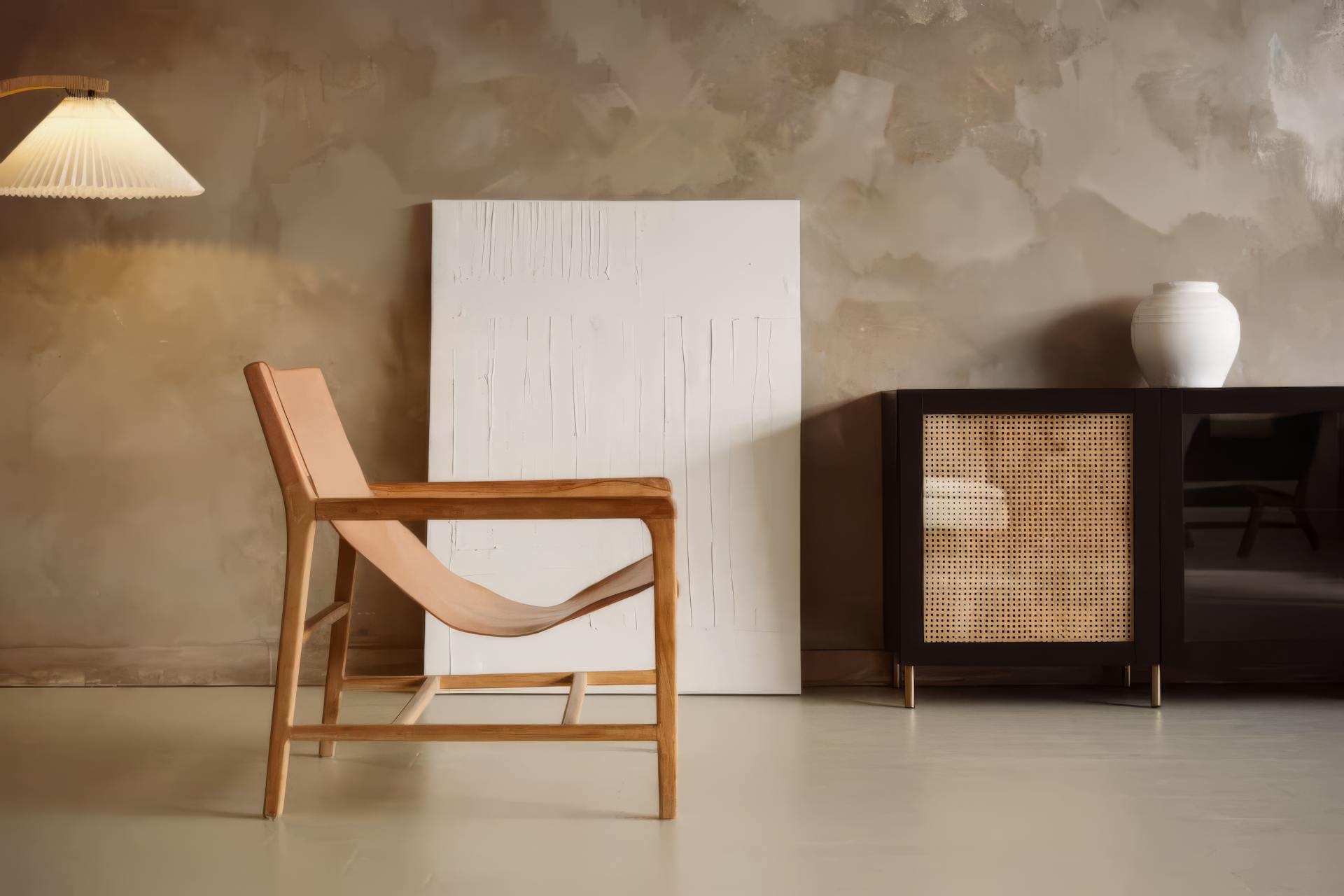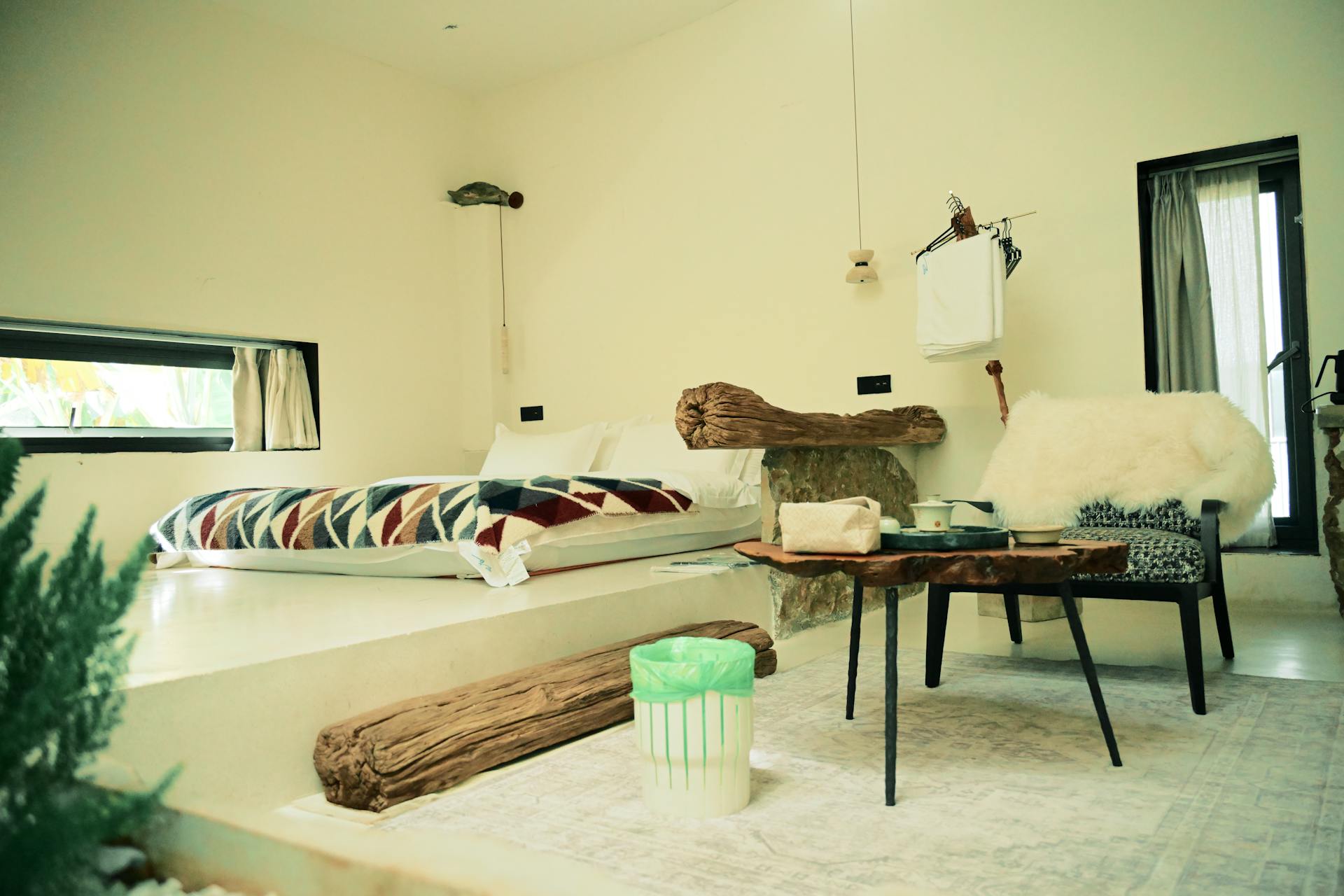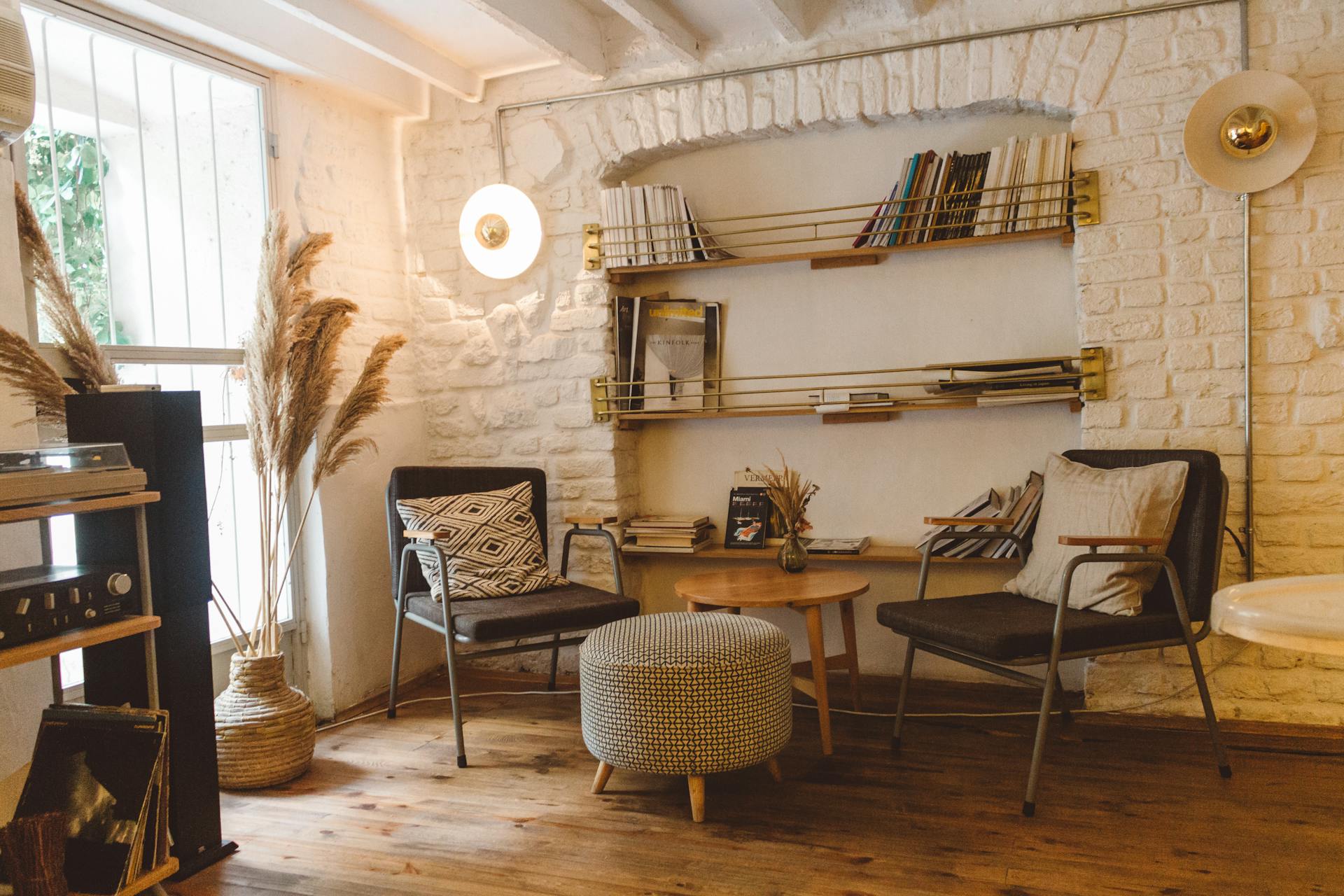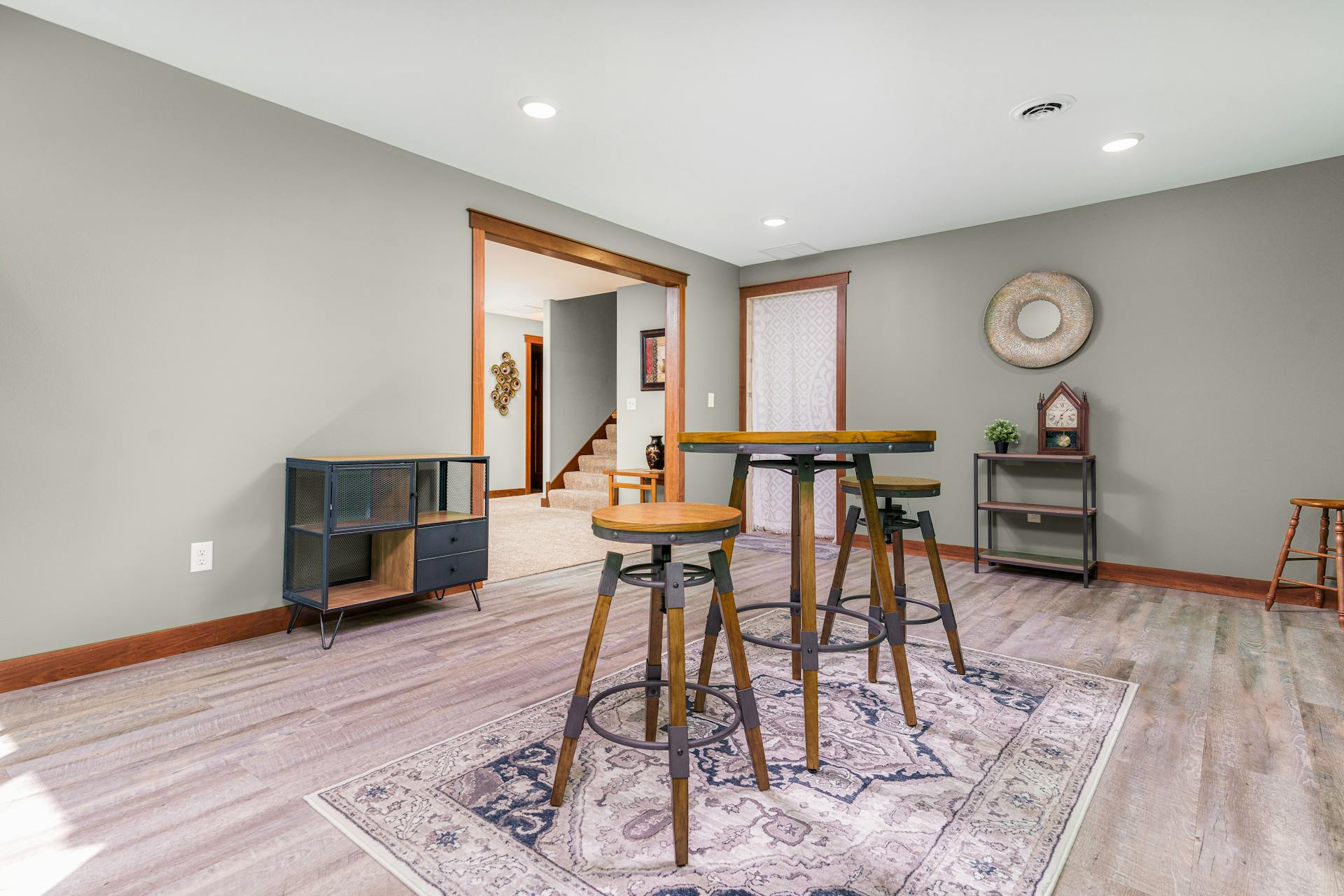
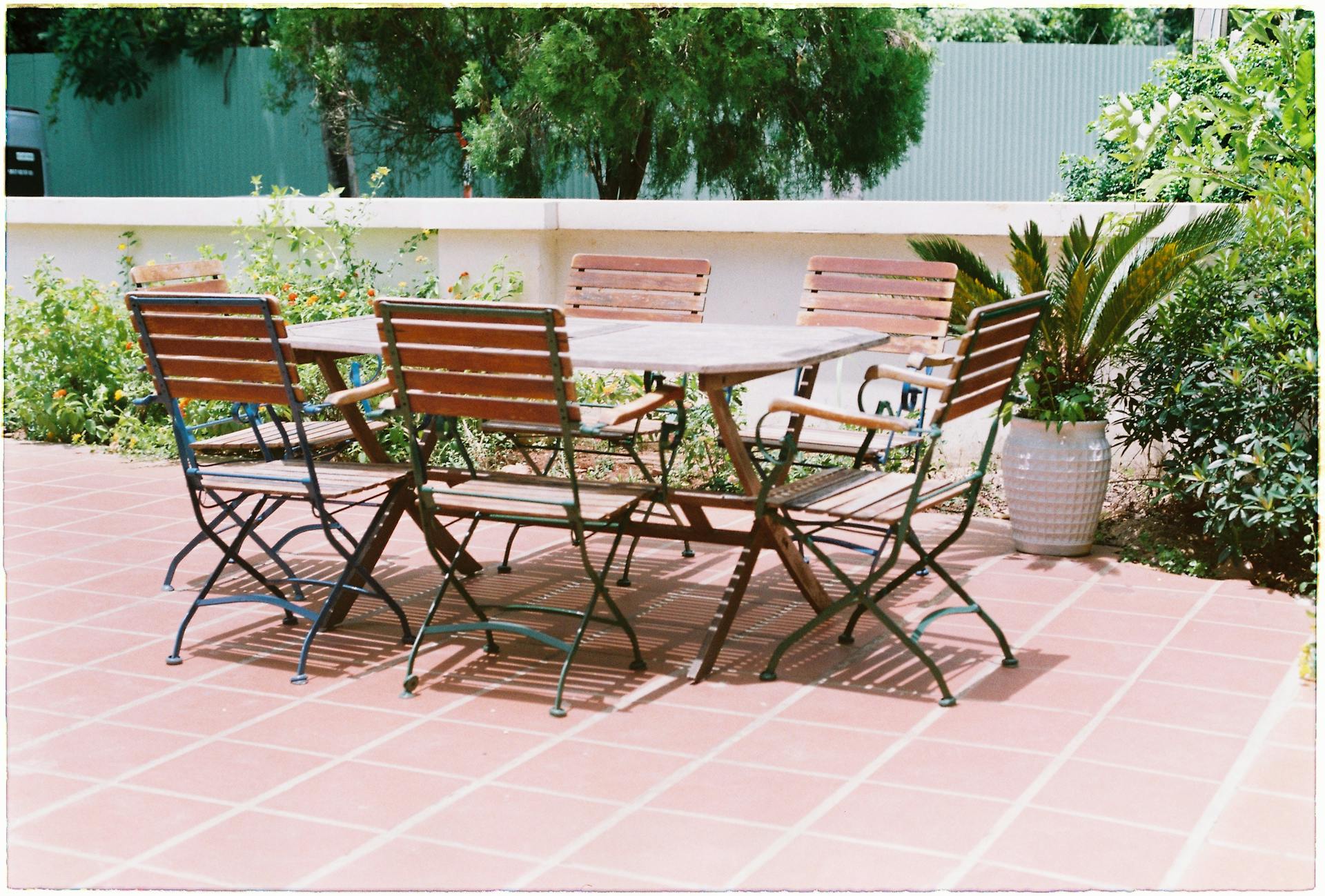
In the quiet craft of making furniture, wood is not just a material — it is memory, warmth, and the language of home. When you run your hand over a wooden table, you’re not merely touching a surface; you’re feeling the story of the forest, the patience of time, and the ingenuity of human craftsmanship.
Yet in the modern world of interior design, “wood” no longer means only trees from nature. It has evolved into many forms — engineered, refined, and adapted to suit the needs of today’s homes and budgets. Among these, MDF, MFC, HDF, and natural wood stand as the four pillars of modern furniture manufacturing.
This article explores them not as mere technical categories, but as living materials with distinct characters — each carrying its own spirit, advantages, and limitations.
1. The Meaning of Wood in Modern Interiors
Before diving into each material, it’s important to remember why wood holds such a deep place in our hearts. Wood is one of the oldest materials humans have ever shaped. From ancient temples to the dining tables of modern apartments, wood has been with us through every era of civilization.
Its beauty lies in contrast — solid yet soft, familiar yet endlessly diverse. Each grain tells a different story; each scent evokes a different mood. That is why, even in an age of metal and plastic, we still return to wood when we seek warmth, serenity, and a sense of belonging in our living spaces.
But natural wood is no longer the only choice. Rising costs, environmental concerns, and evolving design trends have given birth to engineered wood materials — innovative alternatives like MDF, MFC, and HDF. They mimic the appearance of natural wood while offering different mechanical and economic advantages.
To understand how these materials differ — and which one suits your home — we must look deeper into what they truly are.
2. MDF: The Modern Craftsman’s Canvas
What Is MDF?
MDF (Medium Density Fiberboard) is one of the most widely used engineered woods in interior manufacturing today. It is made by breaking down hardwood and softwood residuals into fine fibers, mixing them with resin binders and wax, and pressing them under high temperature and pressure to form dense, smooth panels.
Unlike natural wood, MDF has no knots, no grain irregularities, and no voids. Its texture is uniform, making it an ideal surface for painting, veneering, or laminating.
Character and Qualities
MDF’s charm lies in its consistency. It is like a calm artist’s canvas — silent, neutral, and ready to receive any color, texture, or design you wish to give it. Because of its smoothness, it allows for intricate detailing and sharp finishes that natural wood can’t always achieve.
However, MDF’s nature is also delicate. It is vulnerable to moisture — if left unsealed, it swells and deforms easily. That’s why it is not suitable for bathrooms or kitchens without waterproof coatings. Still, in dry environments like bedrooms, offices, and living rooms, it performs beautifully.
Applications and Finishing
MDF is commonly used for painted furniture, doors, decorative panels, and built-in cabinetry. It supports a wide range of surface treatments — melamine, veneer, laminate, or paint.
When coated with high-gloss or matte finishes, MDF can look incredibly refined, almost indistinguishable from solid wood. Designers love its versatility; craftsmen love its predictability.
In many ways, MDF symbolizes modern design itself — practical, adaptable, and quietly elegant.
3. MFC: The Everyday Workhorse
What Is MFC?
MFC (Melamine Faced Chipboard) is another popular engineered wood, especially for affordable and large-scale furniture production. It’s made by compressing wood chips or particles with adhesives into boards and then covering them with a decorative melamine film — a synthetic resin paper that gives the surface color, texture, and protection.
Unlike MDF, which is made of fine fibers, MFC is made from larger wood particles, giving it a coarser core.
Character and Qualities
MFC represents efficiency and functionality. It’s not as smooth or dense as MDF, but it is more affordable and more resistant to scratches and moisture when properly laminated. Its melamine surface is pre-finished, which means it requires no painting — saving time and cost.
However, the edges of MFC are fragile if not properly sealed with PVC or ABS edge bands. If moisture seeps into the core, it can cause swelling. Thus, while MFC is great for wardrobes, desks, and shelving, it’s not ideal for heavy structural use or places exposed to water.
Applications and Design
MFC dominates the world of modular furniture — the kind you find in ready-to-assemble wardrobes, bookshelves, or office systems. It’s widely used in Scandinavian-inspired and minimalist interiors for its clean, functional aesthetic.
Melamine finishes also offer an incredible variety of looks — wood grain, concrete, marble, matte, or glossy. For designers, it’s a practical way to achieve texture without the cost of real materials.
In essence, MFC is the reliable everyday companion — not luxurious, but dependable; not showy, but honest.
4. HDF: The Strength Behind Elegance
What Is HDF?
HDF (High Density Fiberboard) is similar to MDF but denser, stronger, and harder. It is made using the same process, but under greater pressure and with more fibers per cubic meter — giving it higher mechanical strength and better durability.
HDF panels are typically used where sturdiness matters — such as in flooring, door skins, or load-bearing furniture parts.
Character and Qualities
HDF is the quiet powerhouse among engineered woods. It has a fine texture like MDF, but its density allows for greater impact resistance, screw-holding capacity, and dimensional stability. It resists deformation and offers smoother, crisper edges for machining.
HDF is also better than MDF in moisture tolerance, though not entirely waterproof. With proper coating, HDF furniture can endure humid climates longer than MDF or MFC.
Applications and Finishing
Commonly found in laminate flooring, kitchen cabinet doors, and premium furniture components, HDF supports detailed engraving and complex designs without chipping. It can be veneered, laminated, or painted to achieve high-end finishes.
Designers appreciate HDF for blending aesthetic freedom with mechanical strength. It carries the subtle confidence of a material that supports beauty without drawing attention to itself — like a well-built foundation under an elegant home.
5. Natural Wood: The Eternal Soul
What Is Natural Wood?
Unlike engineered boards, natural wood is exactly what it sounds like — lumber directly sawn from trees such as oak, walnut, teak, ash, or pine. Every piece carries the unique fingerprint of its origin — color variations, knots, grain patterns, and even imperfections that become part of its charm.
Character and Qualities
If MDF is a modern invention, natural wood is timeless poetry. It breathes, it ages, it speaks. No two planks are identical, and that uniqueness is what gives furniture made of real wood its soul.
Natural wood changes over time — its tone deepens, its scent softens, and its surface records the marks of life. In return, it offers unmatched durability and a tactile warmth that synthetic boards can only imitate.
However, natural wood requires care. It expands and contracts with humidity; it can warp, crack, or fade if neglected. It is also more expensive, both as raw material and in craftsmanship — for working with wood is an art that demands time, patience, and skill.
Applications and Value
Natural wood shines in high-end furniture, flooring, and decorative accents. It’s not just a material — it’s a statement of authenticity. Whether it’s the glowing grain of teak or the subtle calm of ash, each species tells its own emotional story.
For those who love tradition and long-lasting beauty, nothing compares to the presence of real wood. It’s not perfect — but its imperfections are what make it human.
6. Sustainability and the Future of Wood
As forests shrink and the world becomes more environmentally conscious, the ethics of material choice matter more than ever.
Engineered woods like MDF, MFC, and HDF emerged as answers to deforestation. They use recycled wood residues and industrial by-products that would otherwise go to waste. By compressing and bonding these fibers, we reduce the need to cut down entire trees for furniture production.
However, not all engineered boards are eco-friendly by default. The resins used in binding can emit formaldehyde, a chemical harmful to human health if not properly controlled. That’s why modern manufacturers now follow E1 or E0 standards, ensuring low-emission, environmentally safe products.
On the other hand, natural wood remains sustainable only when sourced responsibly — from forests certified by organizations like FSC (Forest Stewardship Council). Sustainable forestry ensures that for every tree cut down, another is planted, preserving ecological balance.
In this sense, the future of wood materials is not a battle between “natural” and “engineered,” but a collaboration between innovation and respect for nature. True sustainability comes when design, technology, and ethics walk hand in hand.
7. Emotional Resonance: Why Wood Still Feels Like Home
No matter how advanced our materials become, wood — in all its forms — carries something deeply emotional. It is the material of our memories. The table we eat at, the floor our children crawl on, the cabinet that holds our books — these are more than furniture. They are companions in our everyday lives.
Each creak of a wooden floorboard is a whisper of life. Each polished surface reflects the warmth of a home built not just with money, but with care.
Engineered woods like MDF, MFC, and HDF democratize this experience. They allow more people to enjoy the beauty of wood without the high cost of solid lumber. They make design accessible, flexible, and diverse.
Meanwhile, natural wood remains the keeper of tradition — a reminder of where we come from, and of the quiet power of things that age with grace.
8. Choosing the Right Material: A Matter of Spirit
When you choose a material for your furniture, you are not merely making a technical decision — you are choosing a philosophy of living.
-
Choose MDF if you love clean lines, painted finishes, and precision.
-
Choose MFC if you value practicality, cost-efficiency, and easy maintenance.
-
Choose HDF if you need strength, durability, and premium finish in modern designs.
-
Choose natural wood if you seek authenticity, timelessness, and the poetry of nature.
There is no “better” or “worse” — only what resonates with your lifestyle, your values, and your vision of beauty.
In the end, all these materials — whether born of trees or technology — share one thing: they transform houses into homes.
Conclusion: The Heart Beneath the Surface
Wood, in all its forms, reminds us that beauty can come from both nature and innovation. MDF, MFC, and HDF show human ingenuity — our ability to reinvent what nature offers, to make it last longer, reach farther, and serve more lives.
Natural wood, on the other hand, remains the timeless heartbeat of craftsmanship — a living legacy that breathes through every grain.
Whether you sit at a solid oak table or a melamine-faced desk, you are still connected to something older and larger than yourself — the warmth of the earth, the patience of time, and the artistry of human hands.
In furniture design, the difference between MDF, MFC, HDF, and natural wood is more than technical. It is philosophical. It is emotional. It is a dialogue between what nature gives and what we create.
And when that dialogue is done with care, respect, and understanding, every piece of furniture — no matter its material — becomes more than an object.
It becomes a part of life.